


This is your weekly Animenomics briefing, covering the business of anime and manga. Today is Wednesday, February 18, 2026.
In case you missed it: A United States federal district court has ruled that identity information obtained through Digital Millennium Copyright Act subpoenas can’t be used to pursue copyright cases overseas, limiting a tactic used by anime and manga rightsholders in Japan for global anti‑piracy enforcement.
TV Asahi sets goal to double anime production by 2030
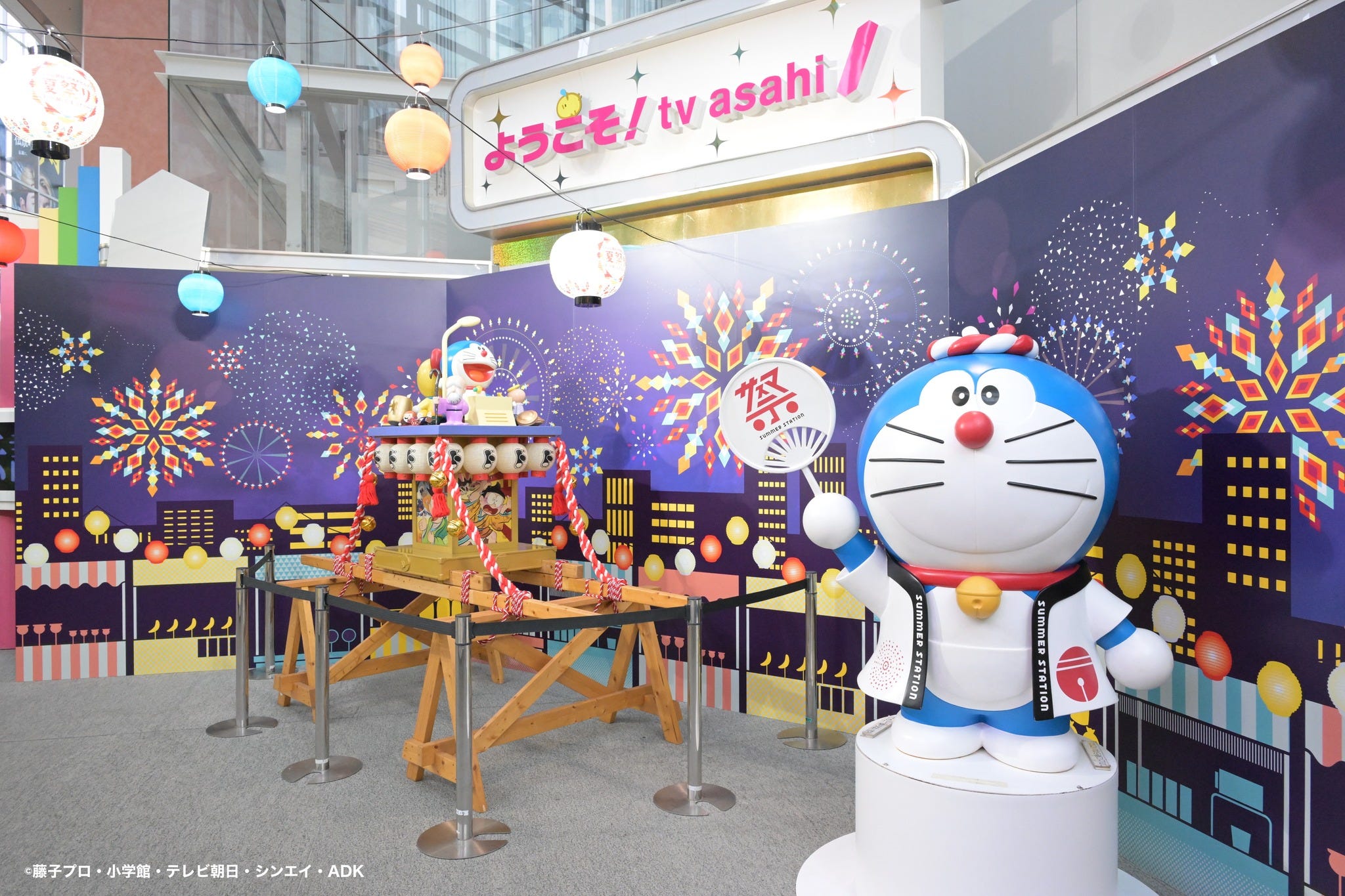
TV Asahi plans to double its anime production capacity over the next four years, the commercial broadcaster best known for classic titles like Doraemon and Crayon Shin-chan announced in a blueprint that seeks to transform the company by March 2030.
Why it matters: TV Asahi’s four-year management plan aims to shift the company from the television broadcasting business to a business that focuses on IP creation.
The details: Fresh off the success of anime investments like Hell Teacher: Jigoku Sensei Nube and Medalist, TV Asahi plans to increase the number of anime projects in which it leads the production committee.
By retaining a greater percentage of licensing royalties from successful anime titles as the lead producer, the broadcaster aims to increase profits in the anime business by 50 percent.
It also plans to increase collaborations with Shin-Ei Animation, the subsidiary anime studio that makes Doraemon and Crayon Shin-chan, and Toei Animation, in which TV Asahi is a major shareholder.
India will become a focal point for the IP business as TV Asahi seeks to capitalize on its recent successes with Crayon Shin-chan in the country.
Zoom out: The broadcaster says it remains committed to television despite new emphasis on the IP business, especially after it secured first place in annual viewer ratings for multiple time blocks last year.
TV Asahi plans to increase the number of late-night television slots for anime, up from the current three slots.
It’s also building a closer relationship with streaming video service Abema, a joint venture with TV Asahi shareholder CyberAgent, to increase viewership of anime and other late-night content on the service.
What we’re watching: TV Asahi is also looking to recruit creators for a creative studio that uses generative artificial intelligence to make anime, dramas, and commercials.
Anime creators slam ByteDance over AI video generator
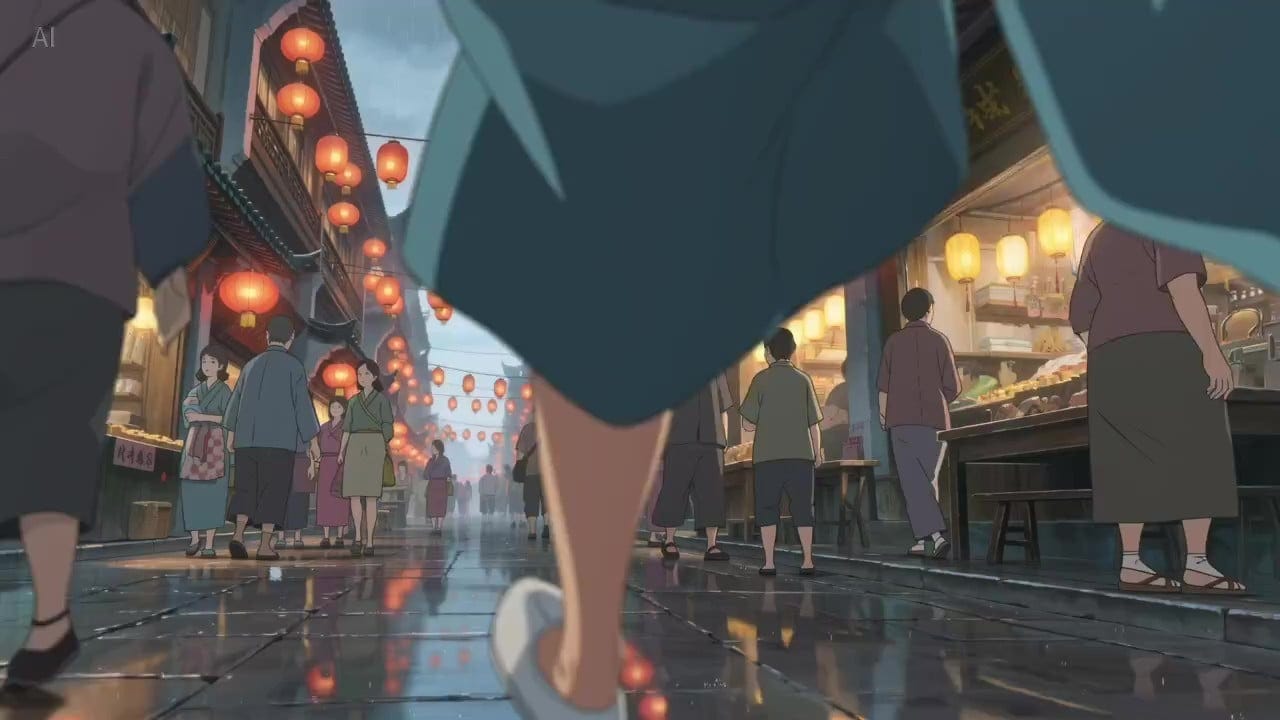
Chinese technology firm ByteDance faces questions from Japan’s anime creators over new updates to its AI video generation model Seedance, which is able to create footage that closely reproduce character designs and visuals from existing anime titles.
Driving the story: The Nippon Anime & Film Culture Association, an advocacy group for anime creators, lodged its concerns with the Japanese unit of TikTok, also part of ByteDance, after user-generated videos featuring famous anime characters spread on social media websites.
In 2024, NAFCA received a donation from TikTok Japan to support “sustainable development of the anime industry”, such as the launch of an Animator Skill Test and live workshops.
What they’re saying: “We are deeply concerned about the use of content without sufficient copyright clearance and the use of technology that undermines the sustainability of production sites,” a media statement from NAFCA reads.
“We expect ByteDance and many other generative AI developers to respond sincerely and respect the rights of creators,” it continues.
The other side: NAFCA says ByteDance responded with assurances that it’s working to address the concerns of rightsholders and that the recent release is a beta release, not an official one.
The bigger picture: The controversy over Seedance comes just months after Silicon Valley’s OpenAI similarly drew scrutiny over its Sora video generation model, which also reproduced anime character designs and visuals.
Japan’s government has instructed ByteDance to make revisions to Seedance’s model, and the company also faced threats of legal action from Hollywood studios.
Clippings: Licensing veteran named Aniplex president
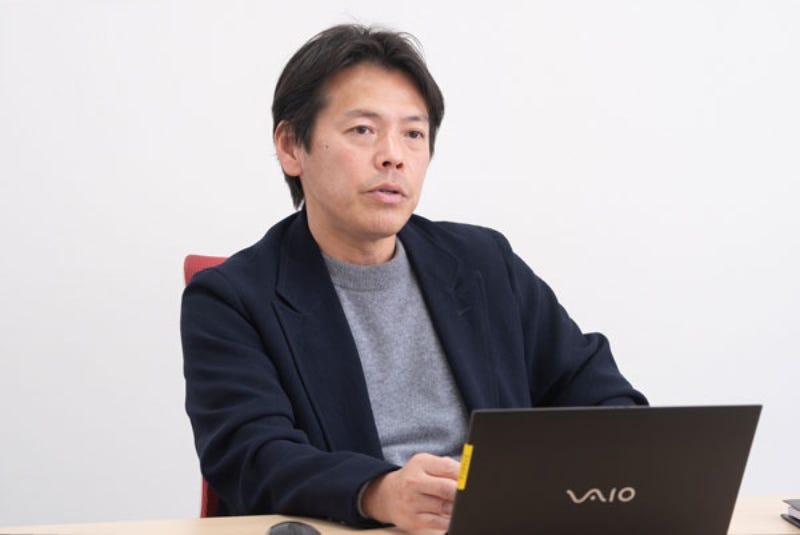
Sony Music has appointed Shu Nishimoto as the new president of Aniplex, putting an international licensing veteran and one-time president of Aniplex of America at the helm of the anime production planning company. (Animation Business Journal)
In 2024, Nishimoto said that Aniplex was working to expand the reach of its titles in the global south, in territories like Southeast Asia, India and South Africa.
TV Tokyo invested ¥500 million (US$3.25 million) in IP development startup Minto, which will help the broadcaster expand its digital content offerings in Thailand and Vietnam. (Press release)
Anime figurine maker Kotobukiya will distribute its products in Genda-operated amusements facilities in North America, Europe, and Asia as the two companies form an extensive business collaboration. (Press release)
ABC Animation established a subsidiary in Shanghai in an effort by the anime production planning company to increase merchandise sales and to organize more events in China, starting with a Violet Evergarden pop-up store. (Gamebiz)
Tokyo International Film Festival Content Market attendance rose 13 percent last year to more than 4,600 attendees as anime and manga companies increased their presence amid growing interest in adapting their properties. (Branc)
CG anime studio NIA Animation was acquired by light novel and manga publisher AlphaPolis, the second acquisition of an anime studio in less than one year as the publisher rapidly increases investments in anime production. (Otaku Lab)
Anime studio TMS Entertainment is absorbing subsidiary Telecom Animation Film after more than 50 years in operation, including as the studio that animated Hayao Miyazaki’s Lupin III: The Castle of Cagliostro. (Gamebiz)
Prime Video’s international content lineup for 2026 will include high-profile anime licenses like the Warner Bros. reboot of Fist of the North Star and anime studio Science SARU’s adaptation of The Ghost in the Shell. (Fortune India)
Anime reached 50 percent of Japan’s streaming video subscribers and accounted for 26 percent of viewing hours on premium streaming services last year, according to Singapore-based video research firm Media Partners Asia. (Deadline)
TO Books eyes post-listing expansion in North America
“In regions experiencing significant economic growth, we will seek local partner companies that understand our business. North America has a rapidly growing manga market, and more companies are launching digital manga platforms. We want to consider models for collaborating with such companies.”
— Takeichi Honda, TO Books president
Context: Honda showed optimism for a North American expansion of his light novel and manga publishing company following its listing on the Tokyo Stock Exchange last week, the Nikkei financial newspaper reports.
He sees the continuing decline of Japan’s publishing industry revenues as a “temporary market shift”, remaining confident in the prospects of IP adaptations.
Yes, but: Honda admits that it will take time—at least three years—to see the impact of adaptations like anime, stage theater, and merchandise on the company’s financials.
Of the anime productions based on TO Books titles today, only about one-third have a production committee led by the publisher, and new productions led by TO Books will take at least three years before they can be broadcast.
Animenomics is an independently run and reader-supported publication. If you enjoyed this newsletter, consider sharing it with others.