


This is your weekly Animenomics briefing, covering the business of anime and manga. Today is Wednesday, May 6, 2026.
In case you missed it: Anime NYC, the New York City anime convention that spun off from New York Comic Con in 2017, is entering the anime business conference scene this year by hosting the entertainment-focused X Tracks Licensing Summit.
The one-day, invitation-only conference is part of a series of summits founded in 2022 by former Hollywood reporter and brand licensing industry veteran Steven Ekstract.
Fashion trade show makes space for anime, IP apparel
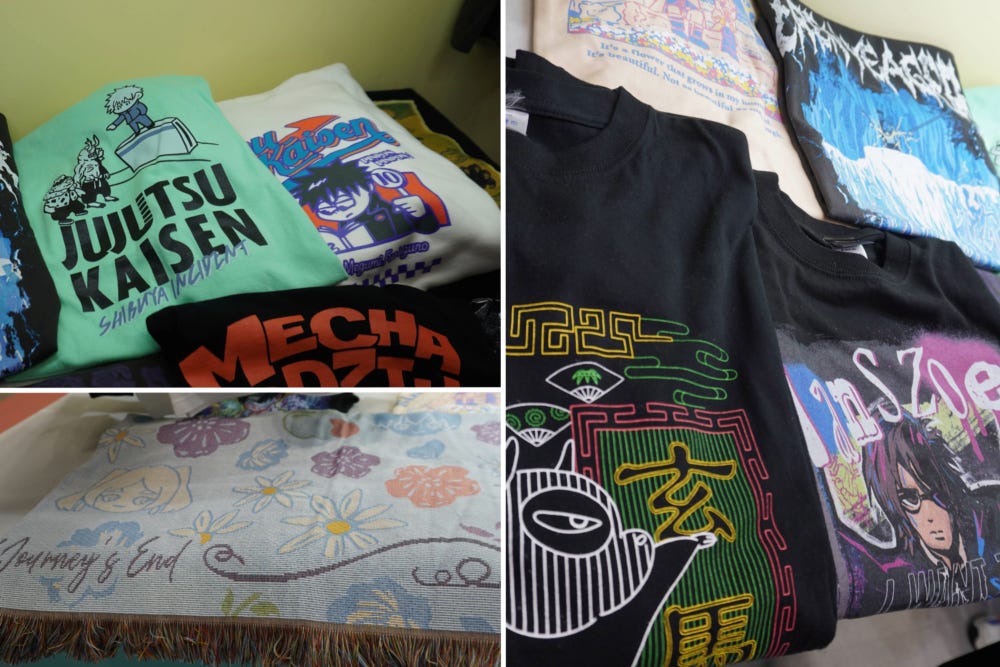
Fashion World Tokyo, Japan’s twice-yearly trade show for fashion manufacturers and designers, plans to carve out a section of its show floor space for exhibitors of apparel and accessories collaborating with anime and entertainment IPs.
Why it matters: A surging ‘oshikatsu’ economy at home and the growing popularity of anime abroad has turned clothing, which is often seen as a walking billboard, into new opportunities for rightsholders to build brand awareness.
What they’re saying: “For IP holders, this presents an opportunity to anticipate new collaborations and value creation through synergies with the fashion sector,” Fashion World Tokyo organizers told The Bunka News newspaper. “We hope that content holders will utilize this space as a venue for forging new connections.”
Backgrounder: Fashion World Tokyo is Japan’s largest fashion trade show for apparel, footwear, and fashion accessory makers and draws approximately 800 exhibitors and 20,000 attendees.
The upcoming autumn show in October will dedicate space for about a dozen exhibitors in the Brands and Designers Expo area to highlight current trends in IP-based fashion.
Its spring edition in April 2027 will further expand the IP × Fashion Zone footprint to a planned total of 17 exhibitors.
Zoom out: Anime collaborations with fashion and cosmetics brands have increased significantly in recent years, according to the Association of Japanese Animations.
“Currently, for Generation Z and Millennials, fashion and makeup are considered important means of expressing individuality, and combining them with anime and video game characters and worldviews can make the wearers’ likes more visible,” wrote the authors of AJA’s annual anime industry report.
Anime rightsholders shift to direct merchandising deals
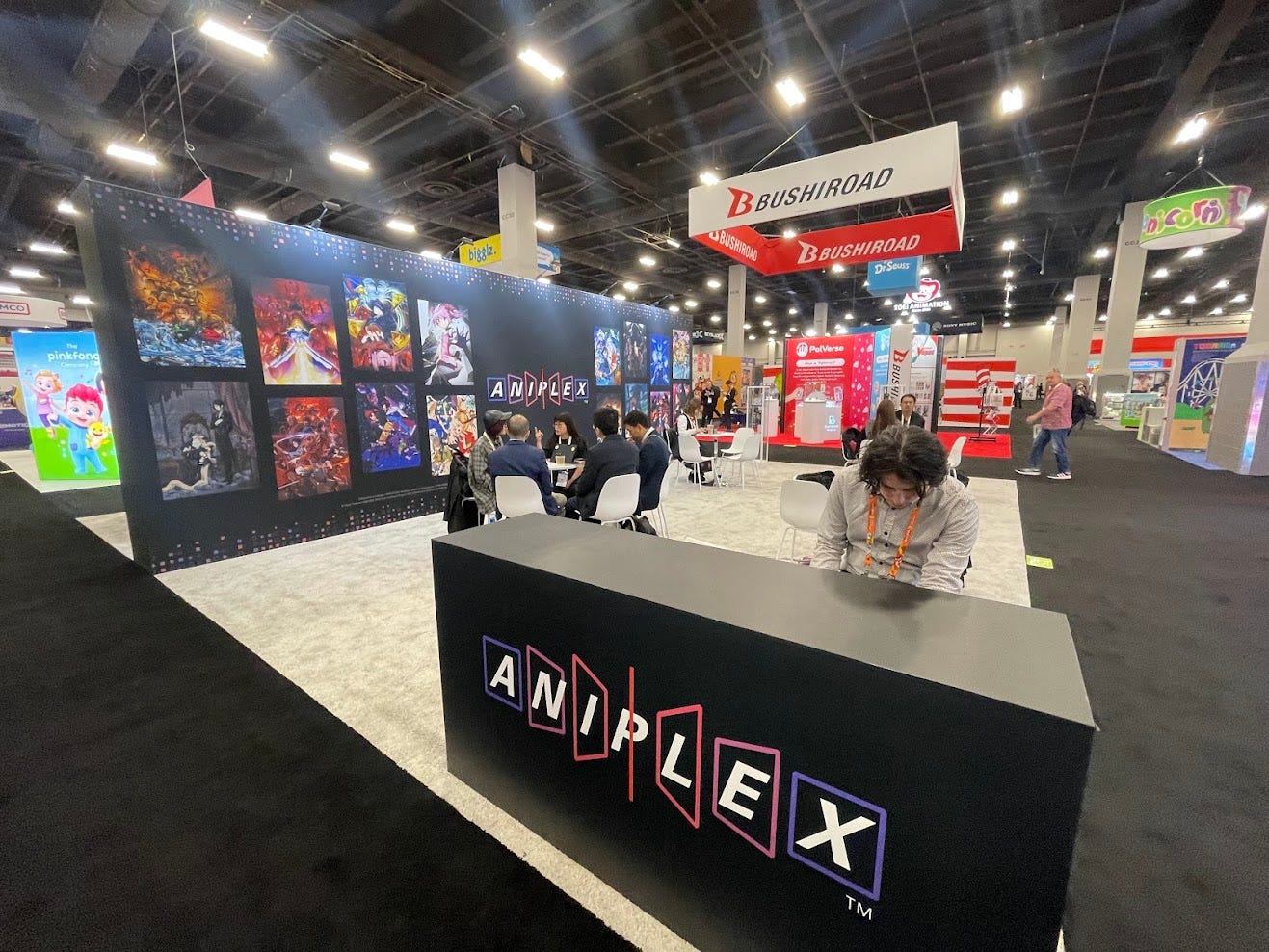
Japan’s anime rightsholders are making more direct merchandising deals with foreign licensees today, reclaiming control of the licensing process and bypassing agents that have long represented anime properties abroad.
Why it matters: Japanese rightsholders have long relied on licensing agents in the United States to educate buyers about anime, but anime’s global surge in popularity in recent years means buyers no longer need the introduction.
What’s happening: Television broadcasters, some of the biggest anime rightsholders, face a shrinking domestic market and are redirecting their sales teams from program sales to international rights management, licensing consultant Roger Berman writes in a column for CharaBiz.com.
As previously reported by Animenomics, Japan’s television stations hold the rights to many legacy anime properties, and they are also investing in new titles to drive growth.
Commercial television stations seeking to grow their anime and IP businesses are increasingly featuring profiling current team members of those departments on recruitment pages in order to attract new graduates.
Friction point: Rightsholders are increasingly unhappy with agents that prioritize only profitable titles while neglecting emerging ones, creating an opening for agents that have the resources and time to treat anime properties with care.
“Even if an IP has yet to achieve significant commercial success, the rightsholder believes in its future potential and is committed to nurturing its overseas licensing business over the course of many years,” Berman wrote.
Last week, Kodansha signed Reemsborko as an agent to represent the upcoming The Ghost in the Shell series outside Asia, significantly expanding the UK-based agency’s reach after representing anime properties in Europe for years.
Clippings: Itochu launches Opanchu Usagi anime series
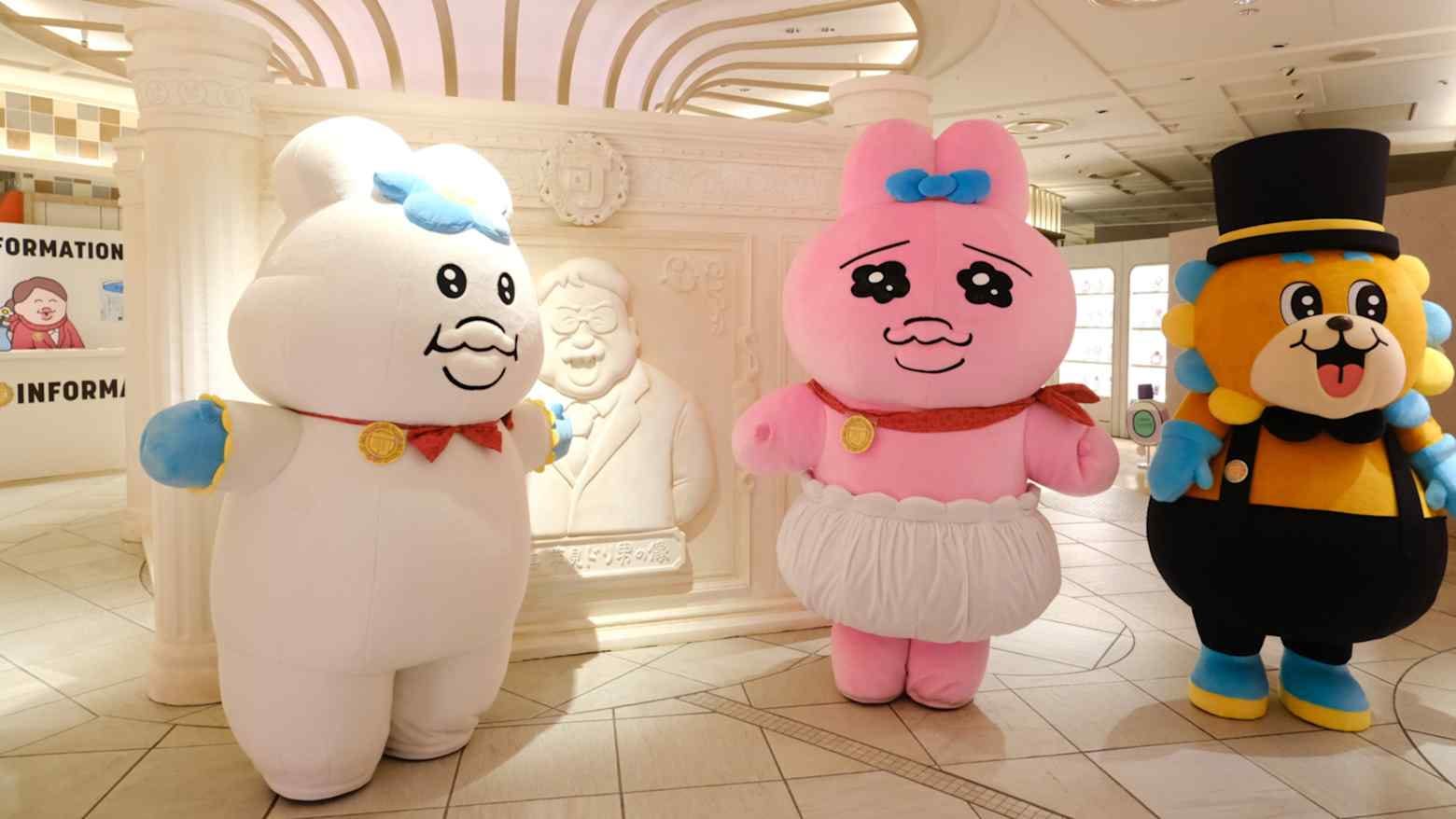
Trading conglomerate Itochu, through its anime production joint venture with Sky Perfect JSAT, will produce an anime based on the illustrated character Opanchu Usagi, whose popularity in on par with Chiikawa. (Nikkei Asia)
“Characters that look somewhat pathetic or imperfect, like Opanchu Usagi, appeal to people in the age of social media,” said Hikaru Inadome, who leads iRightsport, the Itochu subsidiary responsible for growing its character merchandise business abroad.
Manga and Japanese literature are driving an increase in the share of Japanese as a source language for translation in major publishing markets across Europe. (ThinkPub)
Japanese is the second most popular source language in France’s book market, accounting for 20 percent of all translations, and in Germany it overtook French as the third most popular original language.
Kakao-owned Piccoma will launch short, animated episodes on its webtoon digital reading platform in Japan later this month, drawing backlash from Japanese artists who publish works on the service. (K-Comics Beat)
LINE Digital Frontier established a webtoon studio joint venture with Kadokawa and South Korean webtoon studio Redice Studio, best known for Solo Leveling, to produce webtoons based on Kadokawa light novel titles. (Press release)
Merchandise mystery boxes are unpopular in Japan, according to a survey of more than 35,000 consumers, with nine in ten respondents indicating that they dislike or hate the retail strategy. (Toyo Keizai Online)
Aspiring manga artists can now submit manuscripts for review by Kadokawa manga editors using a new online submission portal that’s available in English and Japanese. (Press release)
Studio chairman advocates for fewer anime productions
“I believe the view that the anime industry is facing a labor shortage is mistaken.”
— Noritaka Kawaguchi, CoMix Wave Films chairman and former chief executive officer
Context: Kawaguchi, speaking with the Nikkei financial newspaper, argues that the anime industry’s perceived labor challenges are rooted in overproduction from the growing number of orders from anime production committees.
What he’s saying: “No one can possibly watch every single television anime series, yet the number of titles continues to grow. Even animators who lack the necessary skills are forced to work on the front lines, causing quality to decline. We should reduce the number of titles and focus on improving the quality of each individual work,” he said.
Yes, but: Kawaguchi doesn’t necessarily see anime production committees as bad actors. “On the contrary, it’s a system that offers significant benefits to studios, as the investing companies provide various forms of support.”
Cosmetics firm releases an AI anime ad, then retracts it
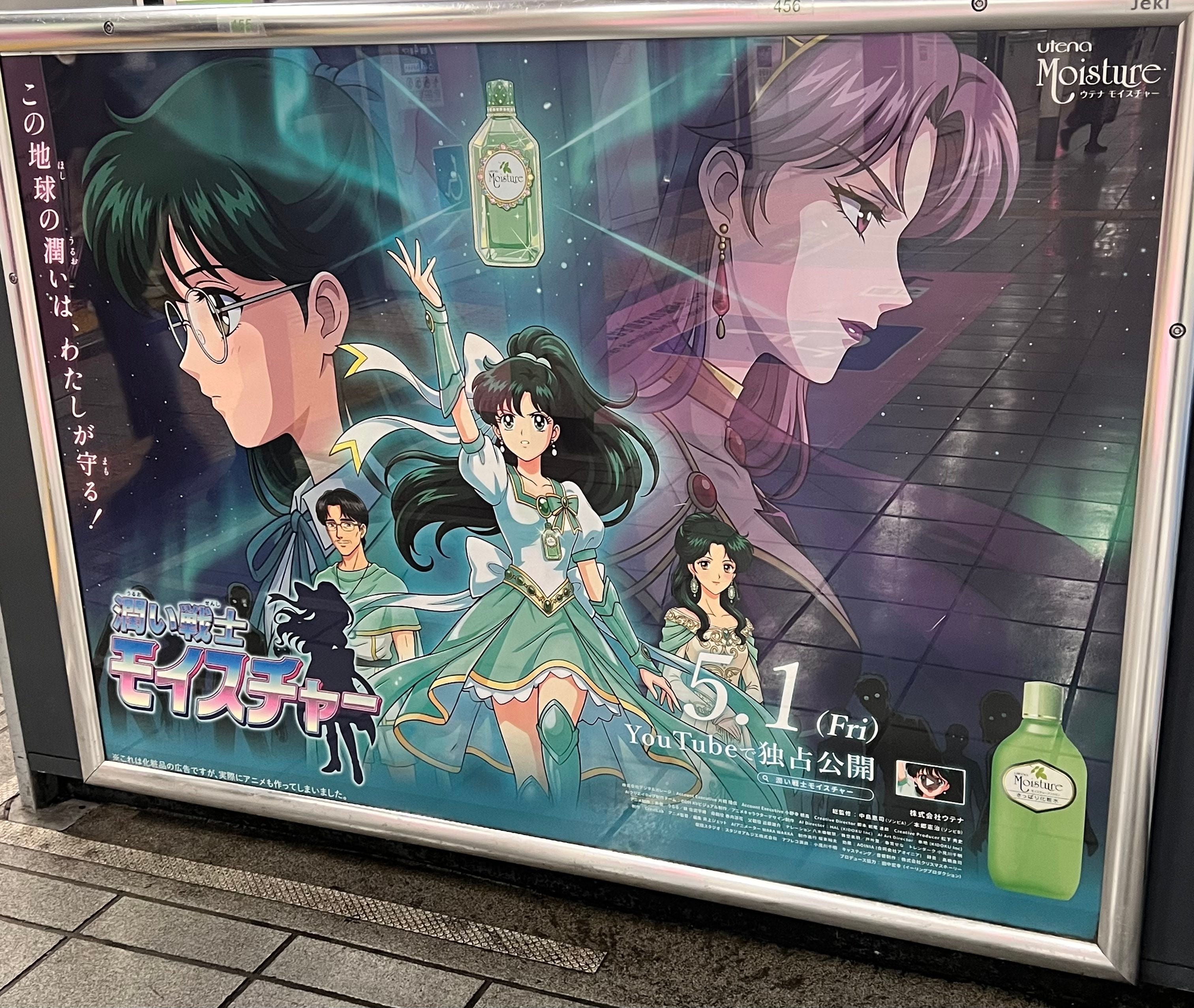
A Japanese cosmetics company has been forced to withdraw an advertising campaign for a line of moisturizers that involved a short anime made using artificial intelligence technology after observers noted its resemblance to Sailor Moon anime designs.
Why it matters: Generative AI use is growing in Japan’s advertising industry, and the country’s legacy companies are turning to the technology to help revive their brands.
Catch up quick: Utena, a 99-year-old cosmetics manufacturer, started its campaign last week in the Tokyo and Osaka area train stations, pointing viewers to the AI-made anime advertisement on the company’s YouTube channel.
In a since-deleted press release, Utena said the moisturizer brand’s consumers are mostly seniors aged 60s and 70s, and the “deliberately unusual” anime campaign was meant to attract younger consumers.
What we heard: “All I can think of is that it’s making a mockery of anime,” voice actor Ayano Fukumiya wrote on X after seeing the advertisement. “I’m really worried that this kind of thing will spread and people will start thinking, ‘This is okay.’”
How it happened: The short anime, also removed from YouTube, was created using technology built by CrestLab, an NTT Docomo-backed startup that’s making software to help anime studios incorporate AI into the production process.
Production planning was led by marketing technology firm Digital Garage, and AI creative studio Kidoku handled artistic design.
Animenomics is an independently run and reader-supported publication. If you enjoyed this newsletter, consider sharing it with others.