


This is a feature story from Animenomics, covering the business of anime and manga.
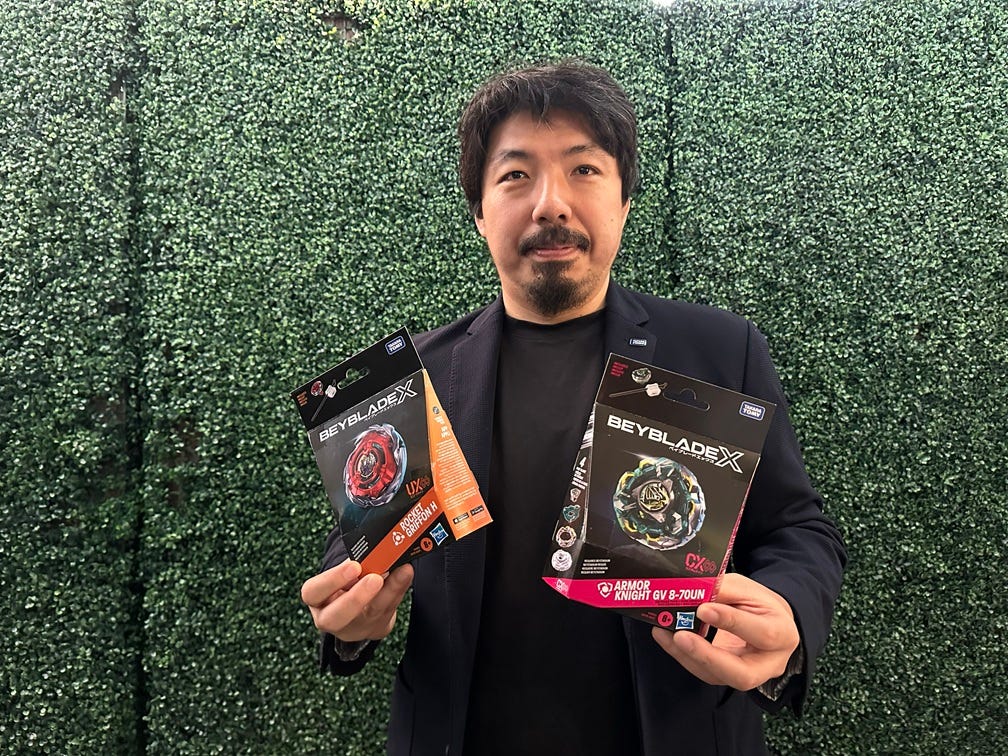
Japan’s second largest toymaker TakaraTomy is preparing to reinvent itself in overseas markets, launching a corporate rebranding in 2027 and stepping up investment in toy development, especially for “kidult” consumers at home and abroad.
Why it matters: TakaraTomy’s international rebranding means the company, formed in 2006 in a merger of toymakers Tomy and Takara, will present itself for the first time with the same name in English as it does in Japanese.
In English-speaking markets, TakaraTomy had been solely using the name Tomy, a century-old brand with broader international recognition for infant and preschool products at the time of the merger.
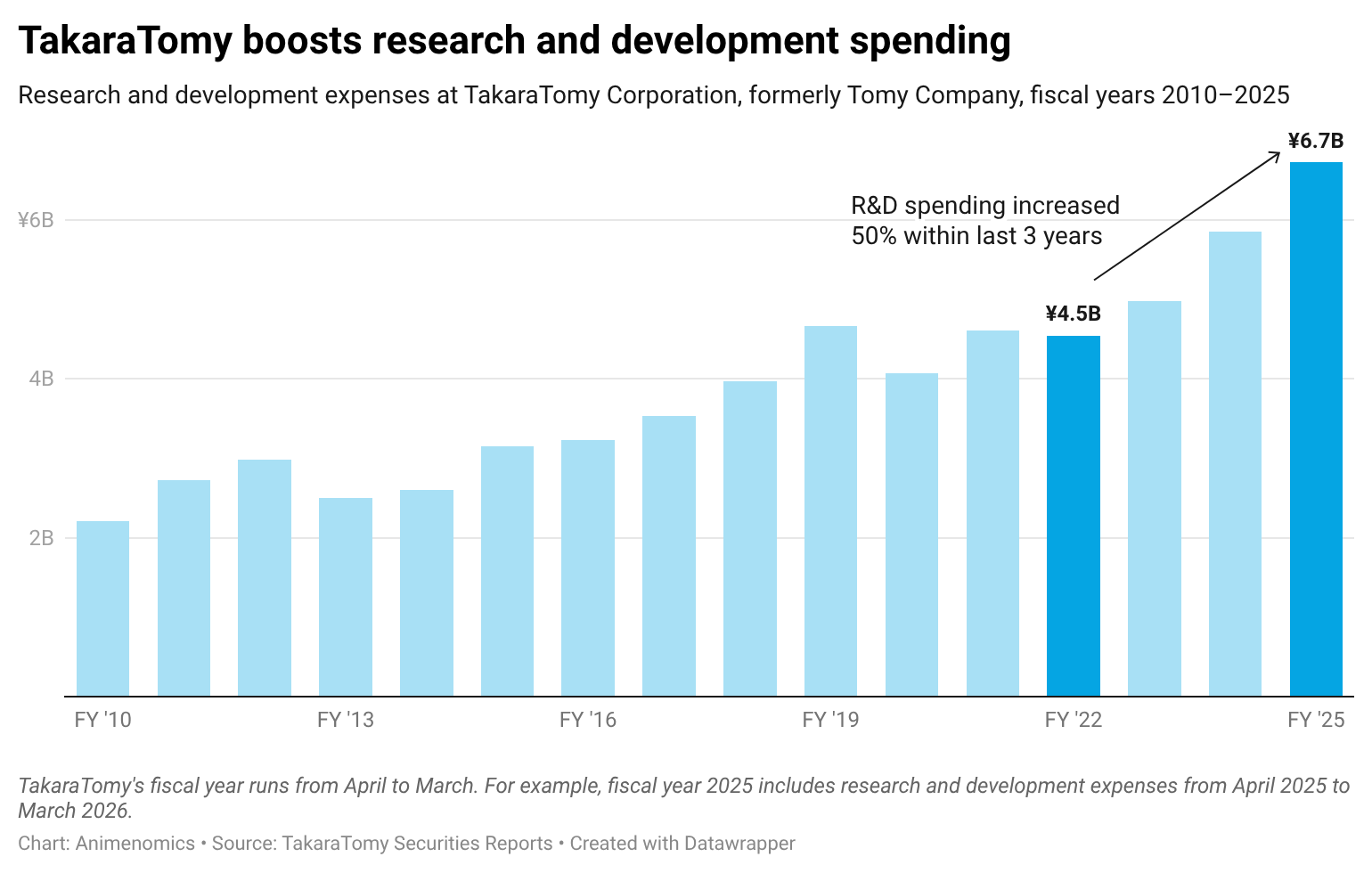
By the numbers: Research and development expenses at TakaraTomy increased 14.9 percent year-over-year to ¥6.7 billion (US$42 million) in the fiscal year that ended in March 2026, as the company seeks to meet rising global demand for Japanese toys.
“The reason we increased the R&D investment is to prepare more products for the kidult segment,” chief executive officer Akio Tomiyama told Animenomics in an interview at Anime Expo earlier this year.
Zoom in: “We want to invest more in existing brands, such as Beyblade,” Tomiyama said of one of his company’s best-known toys. “Beyblade is quite recognized outside Japan, but we still haven’t reached its full potential yet.”
Trading cards’ surging popularity around the world is also pushing the company to invest more in acquiring new anime licenses, like Detective Conan and Haikyu!!, for which it can create new trading card games.
TakaraTomy is also reintroducing its Licca-chan line of fashion dolls in the United States for the first time in four decades, hoping to attract new “kidult” consumers.
The bigger picture: As previously reported by Animenomics, growth in Japan’s sales of toys with ties to anime and other entertainment properties is outpacing growth in other toy categories, Japan Toy Association data show.
What we’re watching: TakaraTomy wants to make more localized toys in each of the company’s major overseas markets, like China, and the United States, Tomiyama said.
He also sees India as a promising growth market and disclosed plans to open a sales office in the country.
Go deeper: Read our interview with TakaraTomy president and chief executive officer Akio Tomiyama, a fourth-generation descendant of Tomy founder Eiichiro Tomiyama.
Many people know your toys, but maybe not many people know the name Tomy or TakaraTomy. Can you explain a little bit about TakaraTomy and your business?
We started this business in 1924, so 2024 was our 100th anniversary. Originally, we started under the name Tomy, and then we acquired Takara in 2006, so this year is our 20th anniversary [as a combined company].
We are famous for Tomica, a collectible vehicle brand, Licca-chan, the fashion doll, Transformers, and Beyblade. These are brands we own—especially Transformers, which we started in Japan through a collaboration with Hasbro—so we have some very exciting brands in the brand portfolio.
As you said, TakaraTomy itself is not known outside of Japan. Sometimes, we still call ourselves Tomy, but the great news this year is that we are going to integrate all our corporate name as TakaraTomy, even for the English name. From next year onwards, we will promote ourselves as TakaraTomy globally more aggressively, so it’s going to be a very exciting year.
Can you explain your motto, “Quality Asobi”, and what it means?
“Asobi” is similar to “play”, but it has more meaning than that. Through “asobi”, we want to make it not only about playing but also connecting people through play. People can enjoy and also know each other. They can learn rules or make promises.
If you visit our booth at Anime Expo, for example, all the fans play together in-person with the Beyblade. That’s the concept of “asobi”. “Asobi” is about building the environment where players can enjoy themselves. That’s how we’ve been doing our business in Japan. We want to apply this concept outside Japan too.
What does this look like for the average consumer? Do you hold events for people who play your toys in Japan?
We do hold some in-person events. I like to see the players enjoy themselves, like shaking hands with one another or something. That’s how we run our business partially, then, of course, we promote ourselves through social media. We also create some environments in Roblox, in the metaverse.
We want to do the same thing outside Japan, including in the U.S.
TakaraTomy recently published financial results from the last fiscal year, and I saw that investment in research and development has gone up. What are your priorities when you’re doing research and development for the next generation of consumers?
That’s a good question. We devised a medium-term strategy for 2030, and the main growth strategy is to expand the business in different regions around the world and also to expand the business for not only kids but also adults.
The reason we increased the R&D investment is to prepare more products and “asobi” for the kidult segment. We also wanted to invest in more localized products for each region. For example, China, the U.S., or even European countries. Because of these, we increased the investment in R&D quite aggressively.
Does that involve more products from existing brands? Does it also involve new brands and new products?
Firstly, we want to invest more in existing brands, such as Beyblade. Beyblade is quite recognized outside Japan, but we still haven’t reached its full potential yet. Of course, we want to invest in existing brands to increase the awareness outside Japan. That’s the first priority.
Of course, we’ll keep investing in new IPs, including new trading card game titles and new digital games. That’s how we prioritize the R&D investment.
Support the journalism of Animenomics. Upgrade to a paid subscription to access insights on why TakaraTomy is bringing back Licca-chan fashion dolls to the United States after 40 years, the differences in play behavior of Japanese and U.S. children, and current challenges in the toy business.
