


This is a feature story from Animenomics, covering the business of anime and manga.
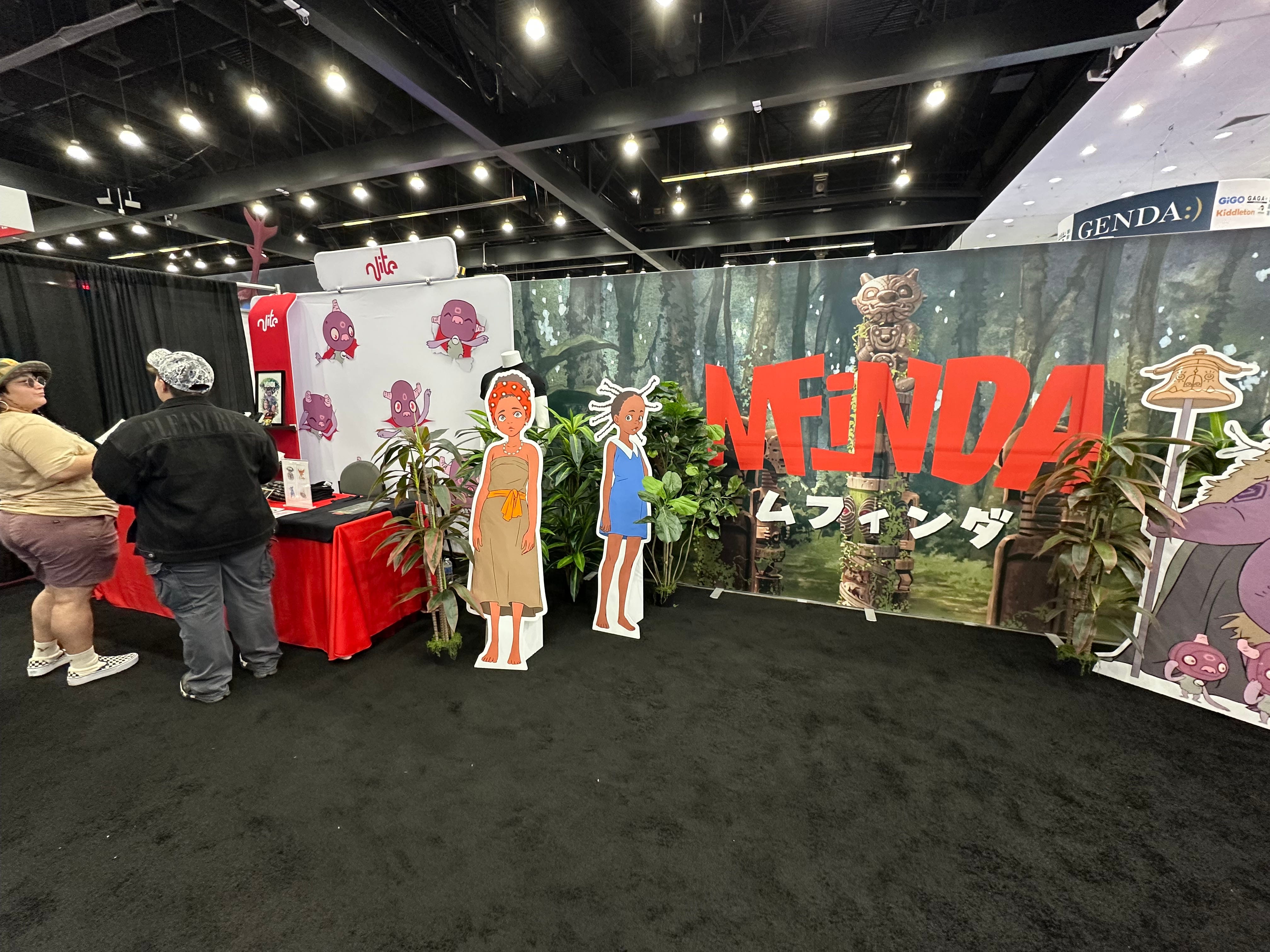
American–Japanese anime production studio N LITE is forgoing traditional production approaches and building its slate of works with Afro-origin stories in public, seeking to create excitement in an increasingly difficult market for original films and shows.
Why it matters: Productions of anime-original works like those in N LITE’s slate have reached a historic low in recent years, with investors preferring to put their money on titles with built-in audiences that have a better chance at commercial success.
Only one in seven new anime series airing in 2024 was not based on a previous work, according to anime production data collected by the Association of Japanese Animation.
What they’re saying: “In Japan, there is sometimes a resistance to share works early,” N LITE chief executive officer Christiano Terry told Animenomics in an interview earlier this year.
Because anime studios rarely reveal pre-production designs for original works ahead of time, audiences don’t have insight into the worldbuilding process and aren’t able to build an affinity toward the projects.
“Once an anime film is announced, people are waiting two to four years for it to come out, so it is important to consistently engage the audience and make them excited,” Terry argued.
Zoom in: N LITE partnered with publishing giant Kodansha to serialize a prequel story for Mfinda, an upcoming anime film inspired by Congolese mythology, to introduce it to potential audiences in Japan, the United States, and around the world.
N LITE enlisted veteran anime producer Masao Maruyama to help develop the film, and the studio has teased image boards on social media platforms and at anime conventions, increasing anticipation among anime viewers.
The studio looks for production partners carefully, selecting companies that share the same level of excitement so that they can amplify the project with licensing and merchandise.
The intrigue: Part of N LITE’s business model is also to give back to the places where its stories originate, such as the Democratic Republic of the Congo and Mozambique, the latter of which is the inspiration for Chiure: Child of the Sea.
“Whatever we’re doing, we want to have some type of impact campaign that will help stimulate the economy in a small way,” Terry explains.
What we’re watching: N LITE’s slate includes three additional anime films, including a highly anticipated reimagining of Osamu Tezuka’s Jungle Emperor Leo, and at least one anime series.
“We also have another series project maybe soon to be announced that is based in more Latin and Caribbean culture,” Terry revealed. “The world is the canvas, and we’ve just started with Africa through Mfinda.”
Go deeper: Read our full interview with N LITE chief executive officer Christiano Terry about how the studio develops and finances original anime productions below.
N LITE recently announced a collaboration with Kodansha for a manga version of Mfinda. How did that collaboration come about?
It’s very hard to introduce original IP, especially international original IP, to Japanese audiences. Even films from very respected directors that are original still have trouble at the box office in Japan, so having a manga was non-negotiable to really introduce not only a U.S. or a global audience to Mfinda. We wanted to focus on readers in Japan, going monthly to engage in this story.
Kodansha is probably my favorite publishing house, and Ghost in the Shell is one of my favorite manga, so I thought that they would be a great fit for the title. [Former Crunchyroll vice president of licensing and former Netflix head of anime editorial and publishing] Rob Pereyda, an advisor of ours, made an introduction to the global business division. Yae Sahashi, who kind of leads the division, was very integral to that.
We had many conversations. They were immediately enthusiastic about the project, and we shared some sample pages with them. Besides the momentum of the project, the quality of the art captivated them, so we moved forward from there.
Anime studios tend to focus on anime production only, but you’ve entered the manga side. What was your thought process in deciding to do an anime film and then a manga tie-in?
It’s really all about how we can engage our audience quicker and give them different avenues and different places to engage.
Once an anime film is announced, people are waiting two to four years for it to come out, so it is important to consistently engage the audience and make them excited. Manga tie-ins, merchandise based on the manga, or other interesting pop-up things while the film is being produced, I think, are very effective ways to promote the work, especially when it’s an original. Even outside of anime, you have a lot of YouTube creators that are building fan bases very early. Anime is unique in that it has a really built-in structure already, so it makes sense to make a manga.
In Japan, there is sometimes a resistance to share works early. A lot of studios don’t like to share things that are in progress, whether it be image boards or art that’s done in pre-production. I think that it’s very valuable now to be able to do that because people really want to get insight into the behind-the-scenes process, whereas anime studios might have done that after a film is released, and you get an art book. That’s something that we think about as well.
As you’re doing these peripheral works, do you find that certain elements of the anime fit better for one type of peripheral work versus another? Did you have a realization that maybe you could have done something better in the anime to make it more possible to do this type of merchandise or this type of manga?
Not every project is going to have the same kind of strategy around tie-ins. We do have projects that may be a little bit too ambitious to try to do a manga, or it may not be the right demographic for merchandise—some things are more merchandisable than others.
For these first few film and television projects that we’re working on, all of them have this approach where we’re going to release the manga and we’re going to have some type of early merchandise. It is a case-by-case basis on how that happens and who we partner with for that.
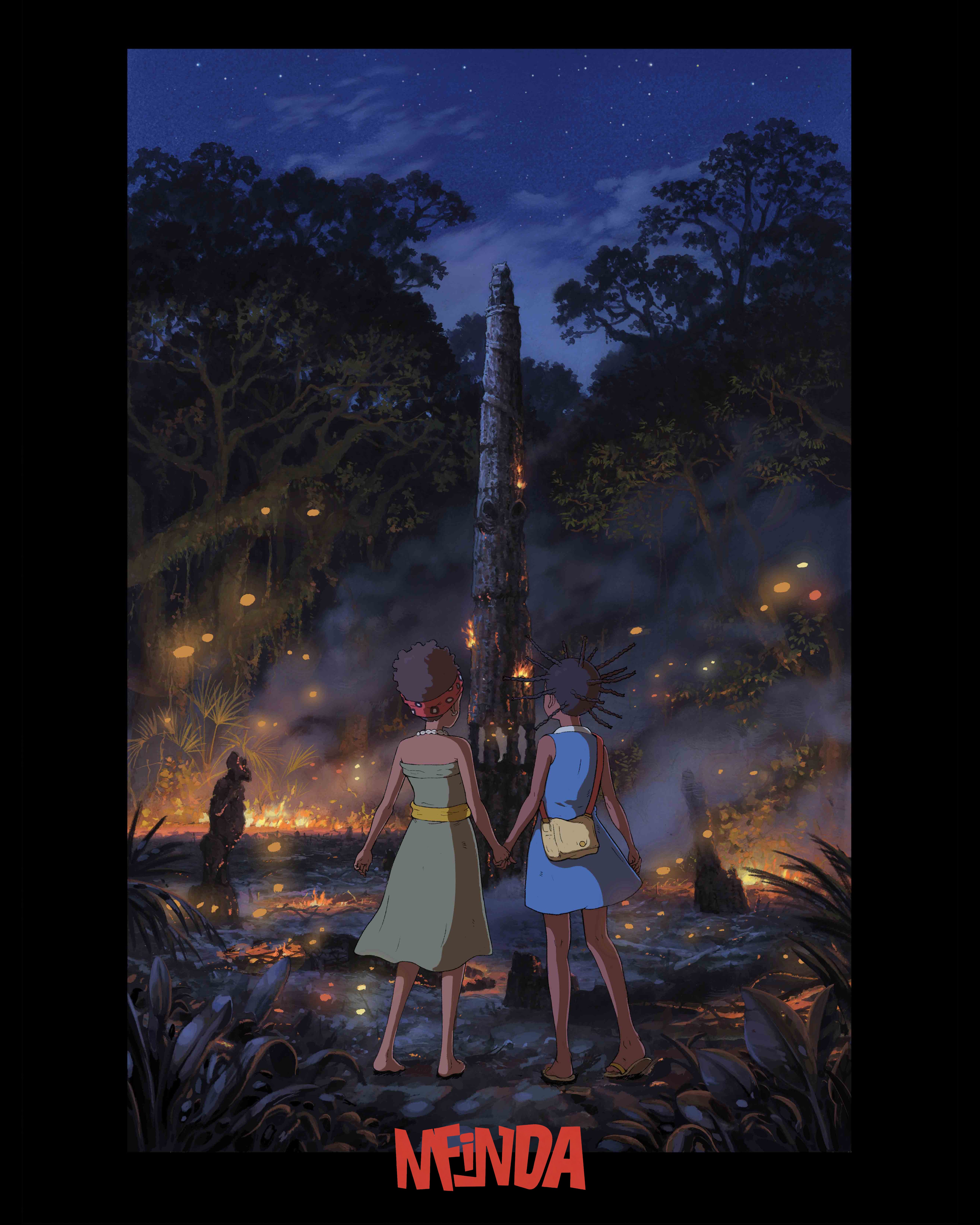
Speaking about the slate, I’ve seen at least three or four different works other than Mfinda that N LITE has planned. You have Chiure, Ripper, Hotaru, and Spirit Detective. Is there a common thread across all of these works?
The film projects that are on our slate now are Mfinda, Jungle Emperor Leo—which is going to be announced very soon, but we did briefly announce it at Anime Expo last year—Webe: Spirit Detective, and Chiure: Child of the Sea. We have moved on from Hotaru and are now developing a separate series called Ife: Secret of the Star Child with a new producing team, creative direction, and focus. I can’t tell you who it’s with right now, but we will be sharing that soon. So, we have four films and a series that we’re currently working on, and Ripper is paused.
We like to lean into untapped lore and cultural elements that haven’t been explored from different parts of the world. I think for a lot of anime, its strength is that it does pull from many different cultural inspirations, even other than Japan. Obviously, there is a lot of European inspiration to a lot of anime—Nadia: The Secret of Blue Water by Hideki Anno is one of my favorites. Once the works are released, you’ll see little pieces of each film in another film. There might be a small detail that you may see in one film that you notice in another film that’s represented in a different way.
It’s better to know early the things we will be working on for the next ten to twelve years, so then we really have a runway. I think that is important for investors as well to understand, that we have a company, a studio, and a brand. They want to see what this looks like five to ten years from now. They want to know if we’re banking on this one project or these two projects, or if we have a universe to take people into.
Support the journalism of Animenomics. By upgrading to a paid subscription, you gain access to insights on N LITE chief executive officer Christiano Terry’s approach to story development and production financing, as well as his thoughts of Africa’s potential in the anime industry.
