


This is your weekly Animenomics briefing, covering the business of anime and manga. Today is Wednesday, January 7, 2026. Happy new year!
In case you missed it: Mamoru Hosoda’s Scarlet, the Chainsaw Man: Reze Arc film, My Melody & Kuromi, Dan Da Dan, and the third Star Wars: Visions anthology series are among several anime and anime-adjacent titles nominated in the 53rd Annie Awards.
Link-U bets its future on AI-led manga app development

Link-U Technologies, Japan’s leading developer of digital manga platforms, is looking to replace much of its software development work with artificial intelligence as the digital manga market undergoes a shift at home and abroad.
Why it matters: Link-U is aggressively building digital manga platforms for Japanese publishers and distributors that are seeking to expand overseas, and the shift to AI-assisted app development could launch a technological race in digital manga abroad.
Driving the story: The company has reorganized its leadership team, with co-founder and chief technology officer Tsuyoshi Yamada moving into a chief AI officer role to lead the transformation efforts.
Last month, Link-U said it had secured a ¥100 million (US$640,000) contract to build a digital manga service using AI-assisted software development.
The announcement came just four months after it signed another contract worth ¥200 million (US$1.3 million) offering the same services.
What they’re saying: In a seminar held last April, Yamada said that 60 percent of Link-U Technologies employees saw increased productivity after the company began using Cursor, an AI-assisted software development service by Silicon Valley firm Anysphere.
Recent announcements by Link-U indicate that the company will shift software engineers to upstream work such as system planning and design, where they can deliver more value.
The bigger picture: Link-U’s pivot toward AI-assisted development reflects a desire for more innovation in digital manga as the domestic digital manga market becomes increasingly competitive amid slowing growth.
As of June 2025, there were 459 manga and e-book reading apps in Japan with more than 500 monthly active users, according to a survey by App Ape, a mobile analytics service.
Overseas, however, manga publishers are expanding their digital footprint with their own manga apps rather than relying on local platforms, as Link-U has done for Shueisha with MANGA Plus and for Square Enix with Manga UP!
Link-U’s recent partnership with anime streaming giant Crunchyroll to relaunch its manga app also demonstrates renewed attempts to encourage digital manga adoption outside Japan.
Clippings: Itochu invests in Taiwan e-commerce service
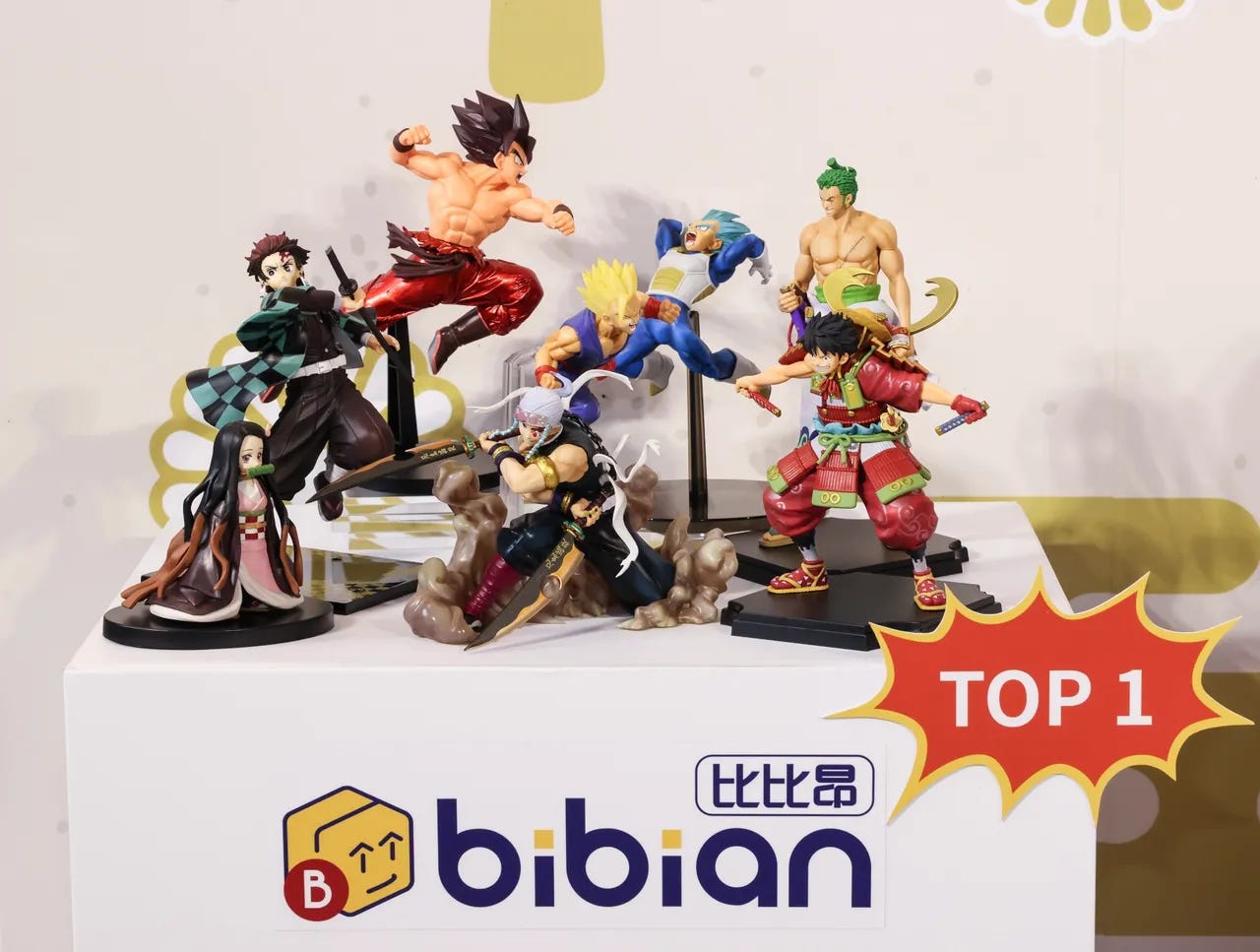
Trading conglomerate Itochu has invested in Taiwanese cross-border e-commerce service Bibian, which sees 40 percent of sales volume from customers in Taiwan who buy Japanese anime and character products. (Taiwan News)
Bibian plans to expand its service beyond Taiwan and into North America and other parts of Asia by 2029.
Avex has exited its Singapore-based joint venture with Sanrio, though still remaining as a strategic partner after five years of helping the latter build a brand presence in Southeast Asia and multiplying regional sales by ten over that period. (Press release)
Comic Market organizers are considering extending the run of the twice-yearly sales event for anime and manga fan art and fan comics from two days to three days, which hasn’t occurred since the COVID-19 pandemic. (Otaku Lab)
Last week’s 50th anniversary edition of Comic Market drew 300,000 visitors over two days, with over 10 percent more cosplayers attending compared to the same time last year.
AlphaPolis is canceling plans to publish and adapt into manga a web novel that won a fantasy novel contest organized by the digital manga and light novel publisher last year after most of the work was found to be generated using AI. (Otaku Lab)
As previously reported by Animenomics, AlphaPolis is among several web novel platforms contending with a growing number of AI-generated works.
Magazine House to scale up manga publishing business
“We’ve been in the manga business for about three years now, and we’re just about breaking even. The timing worked out well because we could enter the market solely through digital distribution. If we had had to create a print magazine, entry would have been impossible.”
— Shuichi Tetsuo, Magazine House president and chief executive officer
Context: Magazine House is finally gaining traction in manga publishing thanks to its stylish Shuro digital manga portal, Tetsuo told The Bunka News newspaper, decades after the fashion and lifestyle publisher first exited the business following the end of a short-lived manga magazine in the 1990s.
Magazine House, best known in Japan for iconic fashion magazines like Anan and Popeye, has used its magazine portfolio to promote and serialize some its manga titles, even having Anan and Shuro start a new manga contest last year.
Since the formation of the manga editorial department under Takehiro Sekiya, whom Magazine House recruited from Leed Publishing, the team has grown to five editors.
What’s next: “Currently, the book editorial team has nine people and generates about 20 to 30 percent of the company’s total profits. We’d be happy if the manga business could grow to a similar level,” Tetsuo said.
FamilyMart adds anime arcade machines to 5,000 stores
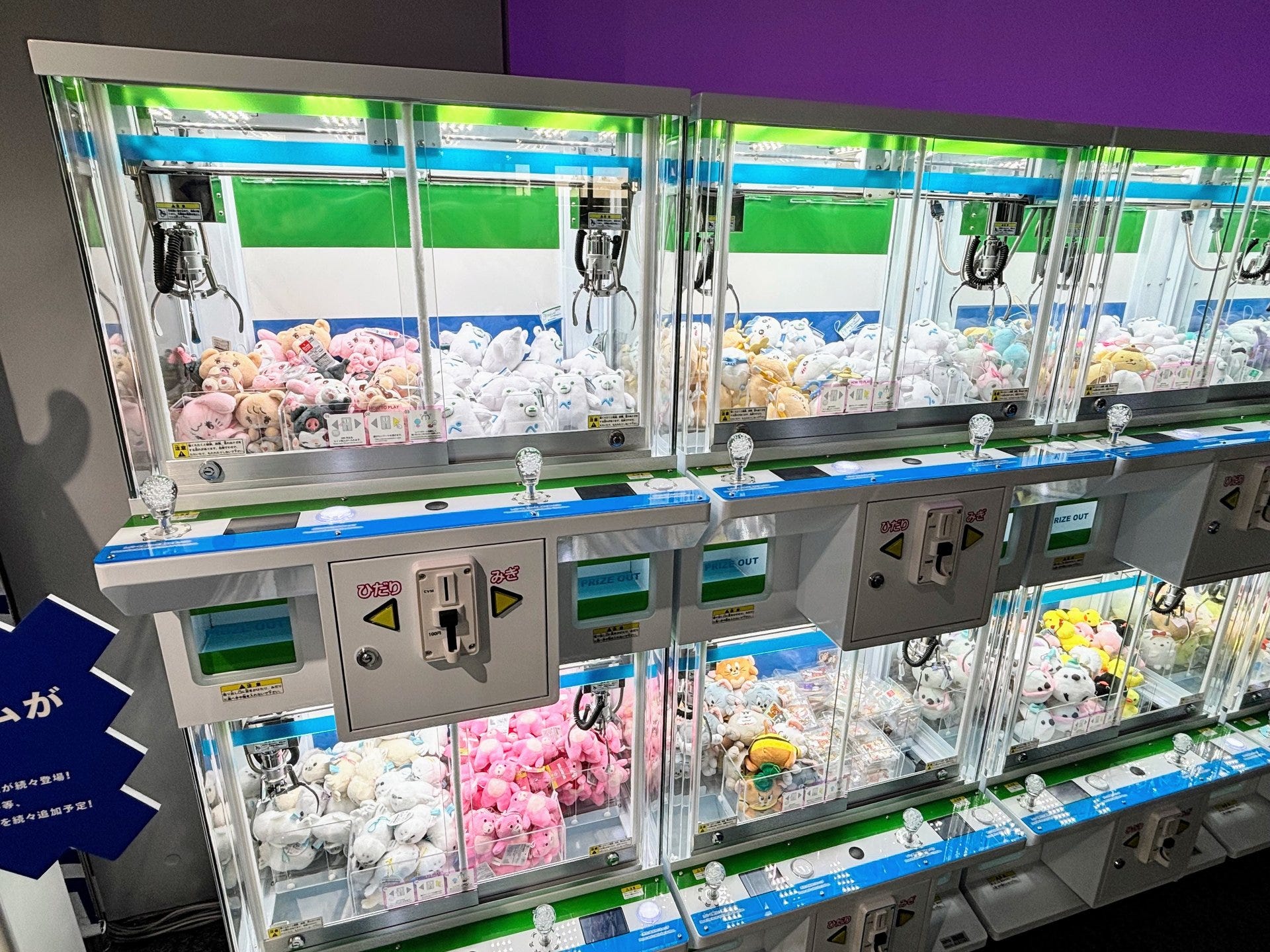
Japanese convenience store giant FamilyMart is turning thousands of its branches into entertainment retail outlets, showcasing merchandise collaborations with anime and video game properties at a media event last month.
Why it matters: FamilyMart’s investment into entertainment experiences comes at a time when the chain’s customer base is shifting from working men in their 30s to 50s to teenage boys and girls, the Toyo Keizai business magazine reports.
What’s happening: FamilyMart plans to increase installations of arcade machines like crane games, which until now has been limited to around 1,600 stores in urban areas, to 5,000 stores, about 30 percent of its network.
It’s also adding Pokémon Frienda arcade game machines on a trial basis at two locations in Tokyo and will collaborate with the Anime Tourism Association this year to feature anime titles in which FamilyMart stores have appeared.
Between the lines: Growth in the number of convenience stores in Japan has slowed to a trickle since the COVID-19 pandemic, adding only 100 stores in the last five years.
FamilyMart itself has also closed more than 1,600 unprofitable locations since its acquisition of Circle K Sunkus in 2017, which means growth from the company must come from attracting new customers and growing per-customer spend.
“By expanding the installation of in-store amusement facilities, we will create new reasons for customers to visit our stores that didn’t exist before,” chief marketing officer Hikaru Adachi told Toyo Keizai.
Animenomics is an independently run and reader-supported publication. If you enjoyed this newsletter, consider sharing it with others.