


This is your weekly Animenomics briefing, covering the business of anime and manga. Today is Wednesday, December 3, 2025.
In case you missed it: Seven anime titles are up for consideration in the Animated Feature Film category of the 98th Academy Awards, the Academy of Motion Picture Arts and Sciences announced last month.
They are Chainsaw Man: Reze Arc (screened in the United States, as required by award eligibility rules, by Sony Pictures), ChaO (GKIDS), Colorful Stage! The Movie: A Miku Who Can’t Sing (GKIDS), Demon Slayer: Infinity Castle (Sony Pictures), Dragon Heart: Adventures Beyond This World (Entertainment Studios), 100 Meters (GKIDS), and Scarlet (Sony Pictures).
Zoom out: Eligible anime-adjacent titles include China’s The Legend of Hei 2 (GKIDS) and South Korea’s Lost in Starlight (Netflix).
Web novel sites respond to rise in AI-generated works
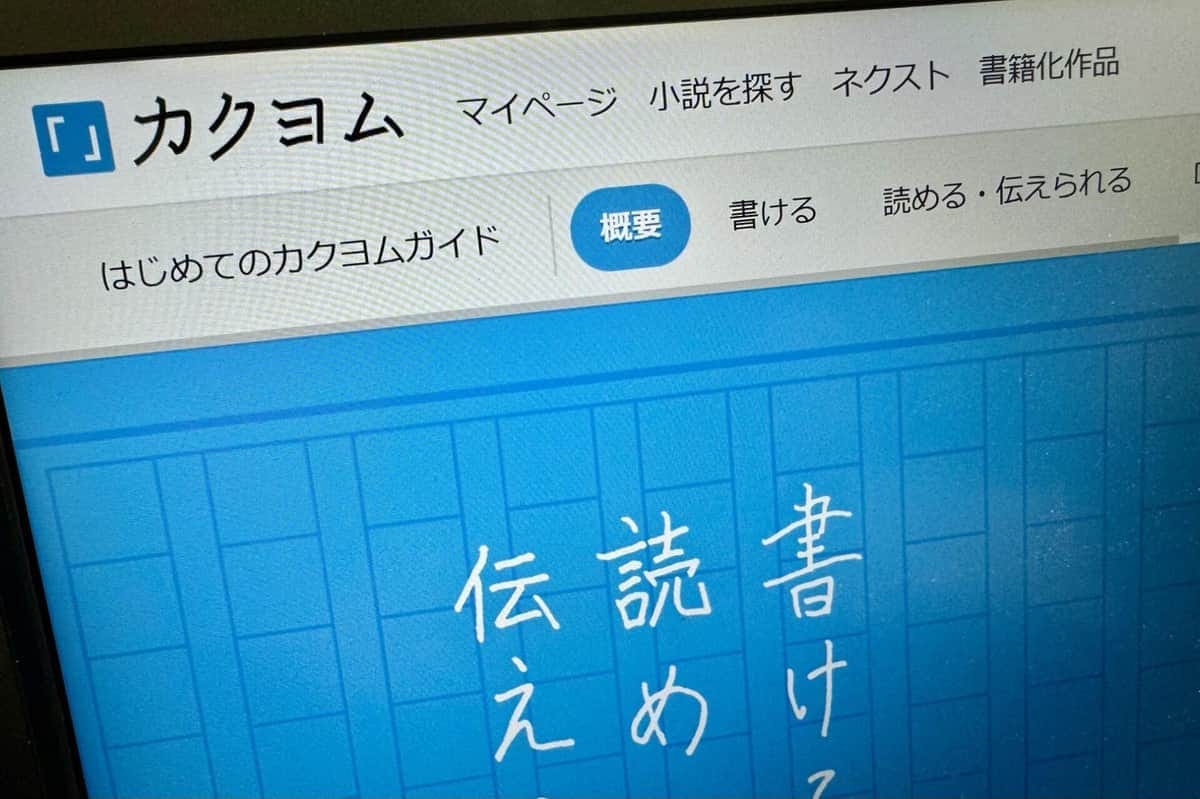
Japanese user-generated web novel platforms are contending with a growing number of works that are generated with artificial intelligence, creating a dilemma for the publishing and production companies that adapt them into manga, anime, and films.
Why it matters: Web novels has grown rapidly in the last decade as a source of new and original content that anime and manga companies can scour for potential entertainment IPs.
The Apothecary Diaries, which has become a flagship anime at Toho with three seasons and a film, originated as a web novel on the Shōsetsuka ni Narō platform.
What’s happening: AlphaPolis, a manga and light novel publisher which operates its own user-generated web novel platform, last month moved to prohibit AI-generated works from being entered into contests.
Publishers rely on these contests to identify works that can be turned into manga and eventually into anime. AlphaPolis has at least eight such anime adaptations planned for 2026 and beyond.
Another platform, Tales, will suppress AI-generated works that are uploaded in mass and prevent them for dominating user rankings.
Rewind: Such restrictions were introduced following an incident in October, where a web novel generated using AI placed at the top of the daily rankings of Kakuyomu, Kadokawa’s user-generated web novel platform.
It wasn’t the first instance of an AI-generated novel ranking first on Kakuyomu—a different work also placed first in July—but readers quickly discovered that the creator was serializing 38 AI-generated novels simultaneously three times a day.
Friction point: “As AI becomes more widespread, even authors who have previously refrained from using AI will likely start using it. Naturally, what lies ahead is a world flooded with massive amounts of AI-generated novels,” Seiichiro Hayakawa, an anime commentator and scenario writer, hypothesizes in a column for Magmix.
Following the commotion on Kakuyomu, Hayakawa himself sought to test the limits of AI web novel generation and published 120 works in a single day on the platform.
He contends that if 100 web novel creators were to match his output daily, the platforms would quickly become paralyzed with the sheer volume of new works released daily, and readers would stop using the platforms.
Hosoda’s ‘Scarlet’ underperforms in box office debut
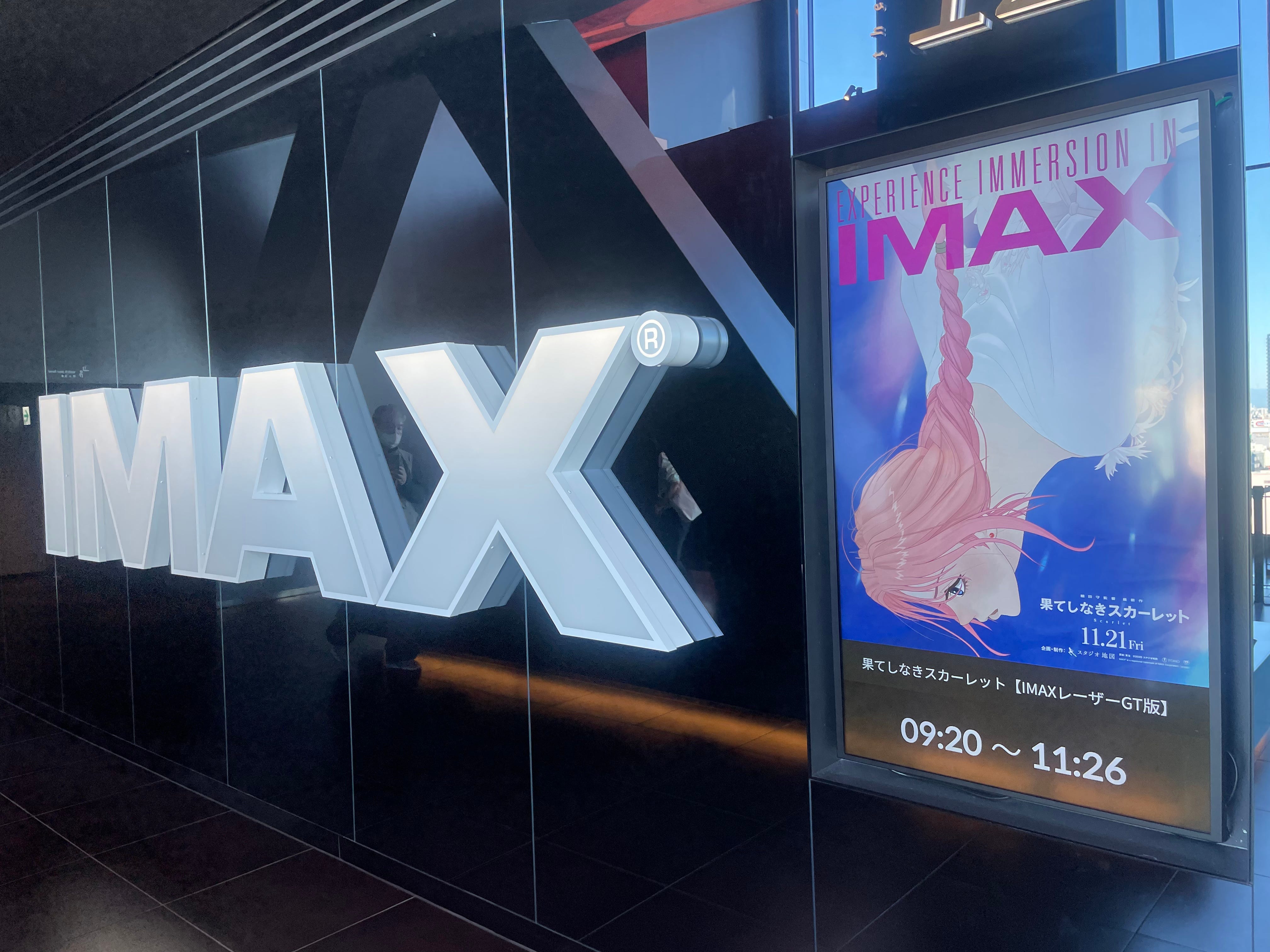
Anime director Mamoru Hosoda’s film Scarlet earned a disappointing ¥210 million (US$1.35 million) in its weekend debut in Japanese cinemas last month, a contrast to the ¥890 million (US$5.72 million) earned during Belle’s first three days in 2021.
Why it matters: Scarlet’s producers had ambitious goals for the film. Studio Chizu president Yuichiro Saito told Nikkei Entertainment! magazine that he wants the film to win an Academy Award.
On Monday, box office sales data provider Kogyo Tsushinsha showed that Scarlet had fallen out of the top ten weekend box office rankings just one week after its debut.
Zoom in: Nippon Television, Japan’s most powerful commercial television network and a longtime financial backer of Hosoda’s anime films, had thrown its weight into advertising Scarlet but to little effect.
Ahead of Scarlet’s release, Nippon TV broadcasted Hosoda’s four previous films on its flagship Friday Roadshow programming block, a strategy the network has used for Studio Ghibli film releases.
“It’s a project that pushed us past our limits,” Nippon TV film producer Toshimi Tanio told the Nikkei Entertainment! magazine.
What happened: “Television stations no longer have the power to make a film a hit,” media consultant Osamu Sakai writes in a column for Toyo Keizai Online.
Investments by Japanese television broadcasters in the domestic film industry in the 2000s helped push domestic films to outearn Hollywood films by the end of the decade, but that power is waning.
A number of Japanese moviegoers on the social media platform X noted empty theaters as they attended screenings of Scarlet.
“It seems that no matter how hard Nippon TV promotes a film, it can easily be defeated by word of mouth,” Sakai observes, pointing to negative reviews about Scarlet on social media.
What we’re watching: How Scarlet will perform abroad when it opens in several East Asian markets next week.
Clippings: Kadokawa acquires Singapore event company
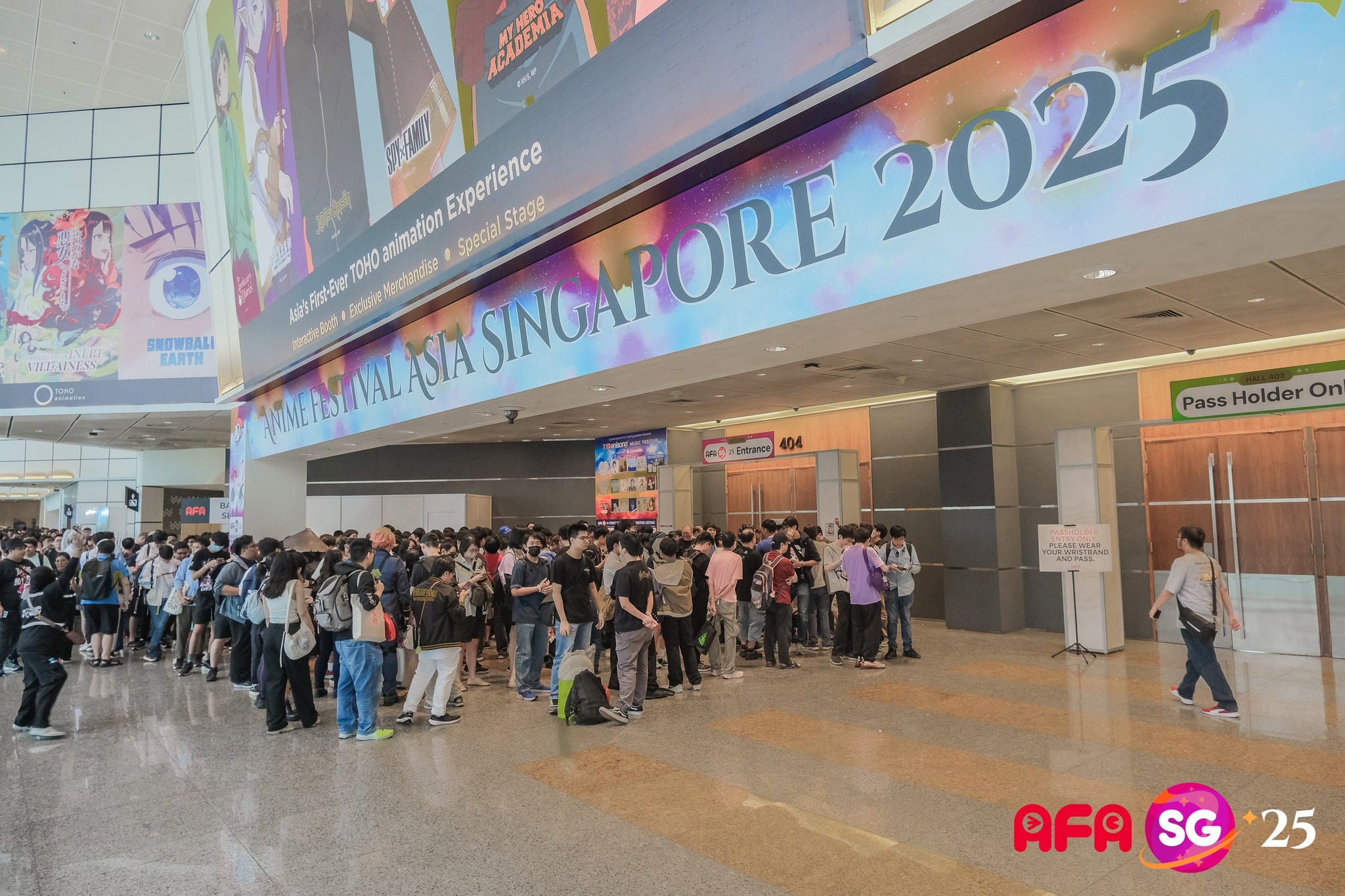
Publishing giant Kadokawa acquired an 80-percent stake in Singapore-based Anime Festival Asia organizer SOZO, giving the publisher access to live events and direct-to-consumer channels with which to grow its Southeast Asia footprint. (Press release)
Between the lines: Japanese talent agency HoriPro, a longtime business partner of SOZO, will retain a small stake in the company, but Aniplex parent Sony Music Entertainment Japan no longer holds shares despite investing in SOZO in 2015.
Go deeper: Kadokawa’s venture into publishing and merchandising in Indonesia, next door to Singapore
Angoulême International Comics Festival’s 2026 edition is cancelled after hundreds of artists and dozens of publishers and funders withdrew attendance and support over allegations of mismanagement, lack of financial transparency, and the mishandling of a rape complaint at the festival’s operating entity. (Le Monde)
Manga artists and publishers have increased their prominence at Angoulême in recent years, and the 2026 edition planned to include exhibitions on art by horror manga artist Kazuo Umezz and art from Hitoshi Iwaaki’s Parasyte.
Twin Engine, the anime production planning firm founded by former Fuji Television anime producer Koji Yamamoto, is entering the manga publishing business and plans to manage its titles all the way to anime adaptations. (Comic Natalie)
China’s film regulator has frozen approvals of several Japanese anime and live-action films in a dispute between the two countries’ governments over Taiwan, though Demon Slayer: Infinity Castle has avoided being pulled from theaters. (Bloomberg)
Cloud computing company Cloudflare must pay Japan’s top four manga publishers ¥500 million (US$3.2 million) for providing servers to manga piracy websites, Tokyo District Court ruled last month. Cloudflare said it plans to appeal. (The Japan Times)
Japan’s Agency for Cultural Affairs plans to develop an artificial intelligence system to detect pirated manga content online and automate creation of deletion requests and issuance of warnings to content providers. (The Yomiuri Shimbun)
Light anime could boost sales at small manga publishers
“Compared to a late-night anime series that takes hundreds of millions of yen and more than three years to produce, light anime can be made for about one-fifth of that cost, and in less than a year from planning. Data has shown that the sales growth rate of the original book or manga remains the same. In fact, the short production period of less than a year could be considered to have the benefit of mutual customer referrals, as the anime can be made at a time when the work is popular.”
— Kiya Maeda, Imagica Infos president
Context: Maeda, in an interview with The Bunka News weekly newspaper, says that the light anime production process that his anime production company co-developed with Dai Nippon Printing has been beneficial for small manga publishers looking to invest in anime without taking on big risks.
Catch up quick: Light anime production adds motion to manga and webtoon panels without needing to create drawings from scratch, reducing the burden on human resources and speeding up time to broadcast.
“There is a now growing disparity in production costs. While large-scale anime recoup their investments through overseas expansion, light anime are smaller in scale and shorter in length, so the investment is lower,” Maeda highlighted.
The intrigue: “Some works are able to fully recoup their investment through domestic streaming alone,” he added.
Disclosure: This story has been updated to add more context about how light anime production works.
Animenomics is an independently run and reader-supported publication. If you enjoyed this newsletter, consider sharing it with others.