


This is your weekly Animenomics briefing, covering the business of anime and manga. Today is Wednesday, October 28, 2026.
What we’re watching: Tokyo International Film Festival and its Content Market start this week, bringing together many anime production companies and their licensing partners in one place, so expect increased media coverage on anime deals.
The Association of Japanese Animations will announce a new annual anime event on Friday to replace the Tokyo Anime Award Festival, which ended a 13-year run in March.
It’s also scheduled that afternoon to give a first look into the latest survey on the sizes of Japan’s domestic and overseas anime markets in 2025.
Genda sees recovery in North America claw machine biz
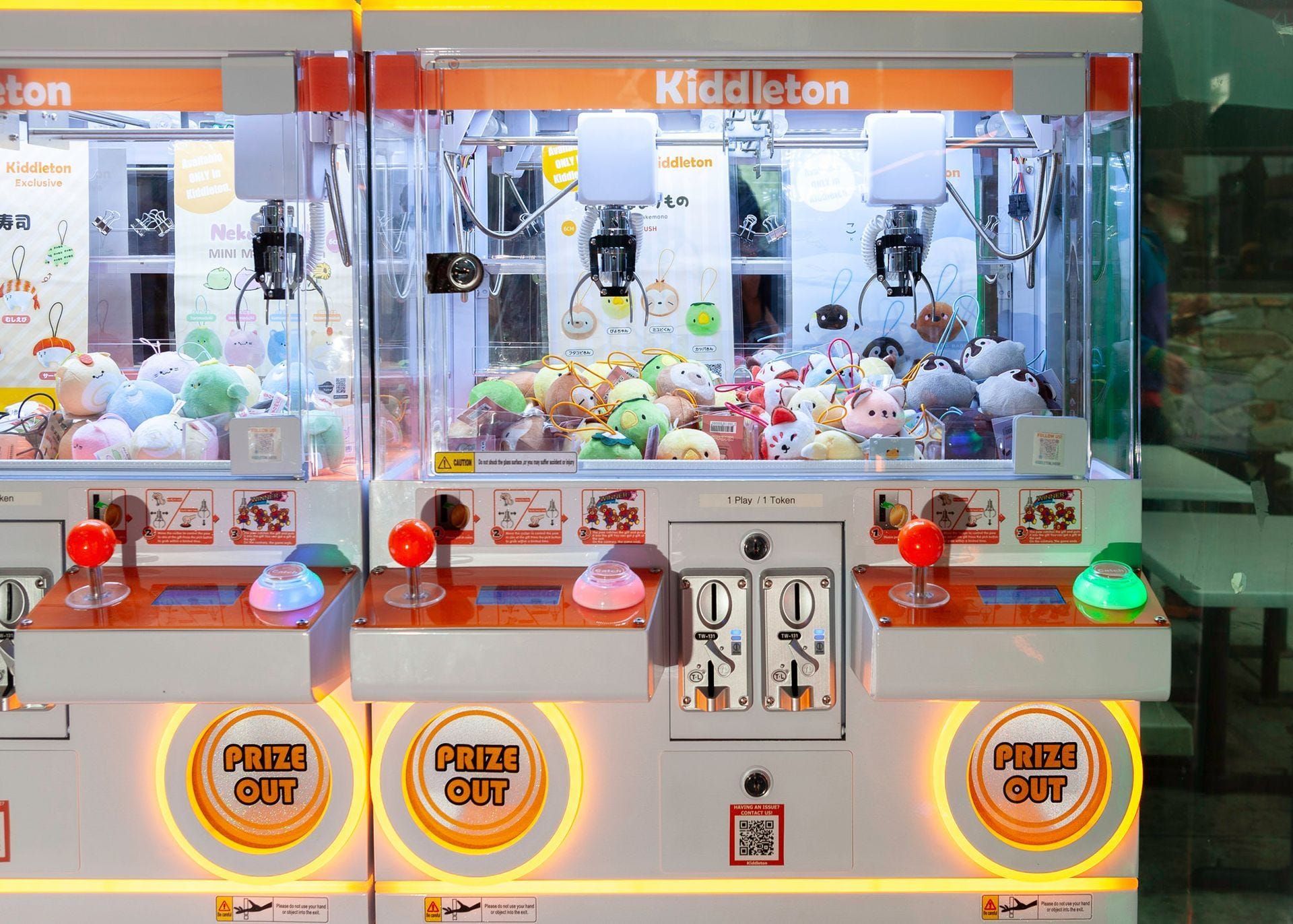
Japanese amusement giant Genda’s North American claw machine business returned to profitability in July after hitting operational stumbles earlier this year.
Why it matters: The results have put Genda’s Kiddleton operations back on a growth trajectory, according to an analysis by investment research firm Capital Growth Strategies, as it looks to add more anime prizes into machines across North America.
Genda has lowered the region’s full-year forecast for adjusted earnings before interest, taxes, depreciation, and amortization by ¥2.5 billion (US$15.9 million) since December, and investors are wary about any further revisions.
What they’re saying: “Introducing official anime IP generates a significantly stronger market response [over generic Japanese plush toys], which is why we are now placing anime IP at the core of our merchandise strategy,” chief executive officer Nao Kataoka told investors last month.
As of the end of July, Genda has already introduced prizes from anime and other Japanese IPs at more than 5,400 claw machine locations across North America, and it’s looking to add them to 4,000 remaining locations.
Machines offering merchandise from hit titles like Dragon Ball Z, Naruto, and Demon Slayer have proven popular with players.
Yes, but: The third quarter ending in October is a seasonally weak period for Genda’s North American business, so it must have a strong fourth quarter to remain on track toward achieving its full-year EBITDA target.
What we’re watching: How a new partnership to develop CyberAgent’s anime titles into merchandise will play out as the digital-advertising-firm-turned-anime-producer prepares for a highly anticipated release of the Kagurabachi anime next year.
Sumitomo Mitsui Trust Bank creates ¥10b anime fund

Sumitomo Mitsui Trust Bank and digital manga startup Comisma are joining forces to establish a ¥10 billion (US$63 million) fund to invest in about ten anime productions over the next three years, the Nikkei financial newspaper reports.
Why it matters: As previously reported by Animenomics, anime’s global surge since the COVID-19 pandemic has drawn the attention of traditional financial institutions as they look for new places to invest their money.
Sumitomo Mitsui Trust Group, the bank’s parent company, is prioritizing growth in its asset management business through the 2028 fiscal year by seeking high-value investment opportunities.
How it works: An institutional investor like Sumitomo Mitsui Trust Bank, the largest trust bank in Japan, will typically pool capital from multiple investors into the fund.
The fund then invests its money into multiple projects, with the anticipation that the projects will yield a return on investment.
For the anime industry, the funds give an opportunity for domestic and overseas investors new to anime to put money into promising projects and receive a share of the broadcast rights fees and merchandising revenue.
Zoom in: Comisma, which operates the digital manga platform Ganma! and owns the anime studio Qzil.la, will help ensure than money invested by the fund benefits anime and manga creators of the original IP.
The bigger picture: In an effort to triple anime’s overseas market by 2033, Japan’s government is encouraging more risk-taking and wants to see private investment in anime grow.
Clippings: Startup by Crunchyroll founder raises US$6m

San Francisco-based Nakama raised US$6 million in funding for its new AniBiz anime licensing marketplace from anime production studio Toei Animation and broadcasters TBS and TV Tokyo. (Variety)
As previously reported by Animenomics, the startup founded by three former Crunchyroll executives, including its founder, wants to make it easier for Japan’s anime rightsholders to license products to emerging markets.
An Umamusume: Pretty Derby concert in Los Angeles was forced to cancel, with mobile game developer Cygames issuing fan travel reimbursements, after performers and crew were unable to secure travel visas to the United States. (The Japan Times)
Chinese toymaker Pop Mart saw third quarter revenue decline 45 to 50 percent year-over-year, with revenue in the Americas seeing the sharpest decline, as the frenzy over its Labubu line of collectible dolls fades. (South China Morning Post)
Fuji Media’s Pony Canyon is pushing into merchandising and promotional events in Asia in partnership with Capsule Japan, a brand marketing agency with expertise in the Taiwan and South Korean markets. (Gamebiz)
Manga artist Tetsuya Chiba, best known as a co-creator of Ashita no Joe: Fighting for Tomorrow and the sitting chairman of the Japan Cartoonists Association, died in Tokyo on Thursday at the age of 87. (Kodansha)
CloverWorks implements new animator training method
“Talent development is costly. [Flint Base] cannot sustain these efforts if they are not profitable, and we cannot rely indefinitely on the parent company. Our major challenge moving forward is to create a self-sustaining model that balances professional development with our business operations.”
— Akira Shimizu, A-1 Pictures and CloverWorks anime studio president
Context: Shimizu and talent development leaders at the Aniplex-owned CloverWorks, in a two-part interview with Japanese outlet Otaku Lab, explained the logistical and financial challenges that the anime studio’s new training division, Flint Base, faces in its effort to train a new generation of in-between animators, a production role that is increasingly outsourced overseas.
Zoom in: Flint Base recruits university graduates into a two-year program and hires them as salaried employees, following an industry trend toward more training schools and more full-time hiring.
It is funded in part by Japan’s Agency for Cultural Affairs and has partnered with external studios like MAPPA and Production I.G to provide students with more employment opportunities after completion.
One big thing: “Flint Base is entirely digital,” CloverWorks talent development head Chiriro Okamoto told anime journalist Tadashi Sudo. “We no longer teach using analog methods.“
LINE Digital Frontier reinvests in original Japan content

LINE Manga operator LINE Digital Frontier plans to invest ¥10 billion (US$63 million) in developing original content from Japan over the next three years as the company seeks to revive growth in the local webtoon market.
What’s at stake: Japan is the largest market for LINE Digital Frontier parent Webtoon Entertainment, but revenue in the country has seen three consecutive quarters of year-over-year decline, and monthly active users have fallen 5.3 percent since December.
Japan’s domestic digital manga market is also stalling after more than a decade of rapid growth.
What’s happening: LINE Digital Frontier plans to invest in webtoon studios, partner with manga publishers, and hold manga awards in an effort to discover and support new creators.
Webtoon Entertainment is also looking to launch its user-generated platform Webtoon Canvas in Japan in 2027 to facilitate creator discovery.
Yuki Chae, Webtoon Entertainment’s chief product officer and former head of Korean content services, is now heading the content and product roadmap in Japan.
Zoom out: “One reason why webtoons still has great potential is webtoon comics,” argues Takuma Kobayashi, chief executive officer at No. 9, a Tokyo-based webtoon production studio in which LINE Digital Frontier invested early last year.
Kobayashi sees these adaptations of compiled manga volumes into the vertical-scrolling format as one way for the webtoon industry to broaden its audience.
Animenomics is an independently run and reader-supported publication. If you enjoyed this newsletter, consider sharing it with others.