


This is your weekly Animenomics briefing, covering the business of anime and manga. Today is Wednesday, April 22, 2026.
In case you missed it: Bandai Namco Filmworks and Legendary Pictures’ production of a live-action Gundam film has begun in Queensland, Australia.
Bandai Namco partners with Plott on short anime IPs

Bandai Namco Entertainment last month unveiled its first attempt at launching a new entertainment property using short anime, nearly one and a half years after investing in Tokyo-based Plott, a startup that produces short anime for YouTube.
Why it matters: Tengutosen depicts sword-wielding characters battling demons and will test whether short anime designed for vertical screens can reproduce the energy and commercial prospects of anime that are based on boys’ action manga.
Catch up quick: Short anime titles made by Plott have drawn a combined 12 million subscribers and 15 billion views on YouTube, thanks to their popularity among Japan’s Generation Z audiences.
Zoom in: While Plott has focused on developing its titles solely for YouTube until now, the partnership with Bandai Namco Entertainment aims to expand Tengutosen beyond the screen after it debuts in July.
“In particular, we hope to leverage [Bandai Namco’s] strengths in merchandise development, such as Gashapon capsule toys and Ichiban Kuji lotteries,” Plott line producer Kosuke Hori said in an interview.
Hori says short anime rarely displays raw emotional expression, but Tengutosen’s production team is designing backstories and other story elements that will develop as the series progresses.
The bigger picture: YouTube is enabling animators and studios around the world to experiment with new video formats and increase audience participation, the company said in a recent trends report.
Tengutosen’s format as a short anime is forcing the creative team to devise ways to make its action-based storytelling more appealing, focusing on the appeal of the swords themselves.
“Short anime tend to have fewer frames that can be drawn compared to television anime, so it’s difficult to express action that relies on the number of frames,” Hori explained.
Yoyogi Animation evolves into talent incubator group
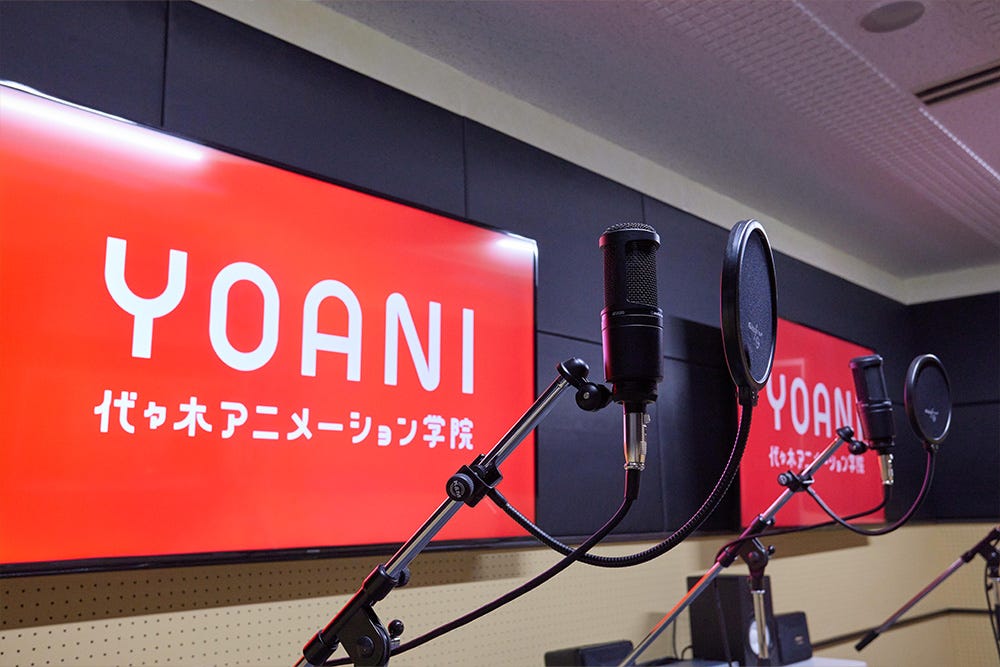
Yoyogi Animation Academy, one of Japan’s oldest training schools for animators and voice actors, and three startups managing Japanese entertainment talent have joined forces to create an integrated talent incubation company.
The intrigue: Although the establishments adopted Yoyogi Animation’s legacy name, the collective is instead led by Utaite, a startup managing 2.5-dimensional talent that has raised at least ¥12.6 billion (US$79 million) since 2022.
Utaite founder and chief executive officer Masashi Kurata, 35, will serve as chief executive officer of the combined Yoyogi Animation Group.
Why it matters: The scale of the integration signals an ambition to combine training infrastructure with IP creation and talent management to replicate the model of South Korean talent agencies in Japan, says entertainment industry analyst Taisuke Murata.
Backgrounder: Yoyogi Animation Academy has graduated some of Japan’s top voice actors, like Takahiro Sakurai and Nana Mizuki, and it collaborated with former AKB48 idol Rino Sashihara to produce =LOVE, an idol group popular among Generation Z.
Utaite and Voising, one of the two other startups, manage 2.5-dimensional performers that use anime-style digital avatars online while also appearing physically at live events and concerts.
Asobi God, the last partner, is an artist management startup founded by a music video director and a song composer.
What we’re watching: Because Yoyogi Animation has the largest voice actor pipeline in the anime industry, any effort to direct the school’s talent toward Utaite and Voising could threaten the existence of anime voice actor agencies like Aoni Production and 81 Produce.
Clippings: Bushiroad secures ¥10b for IP development
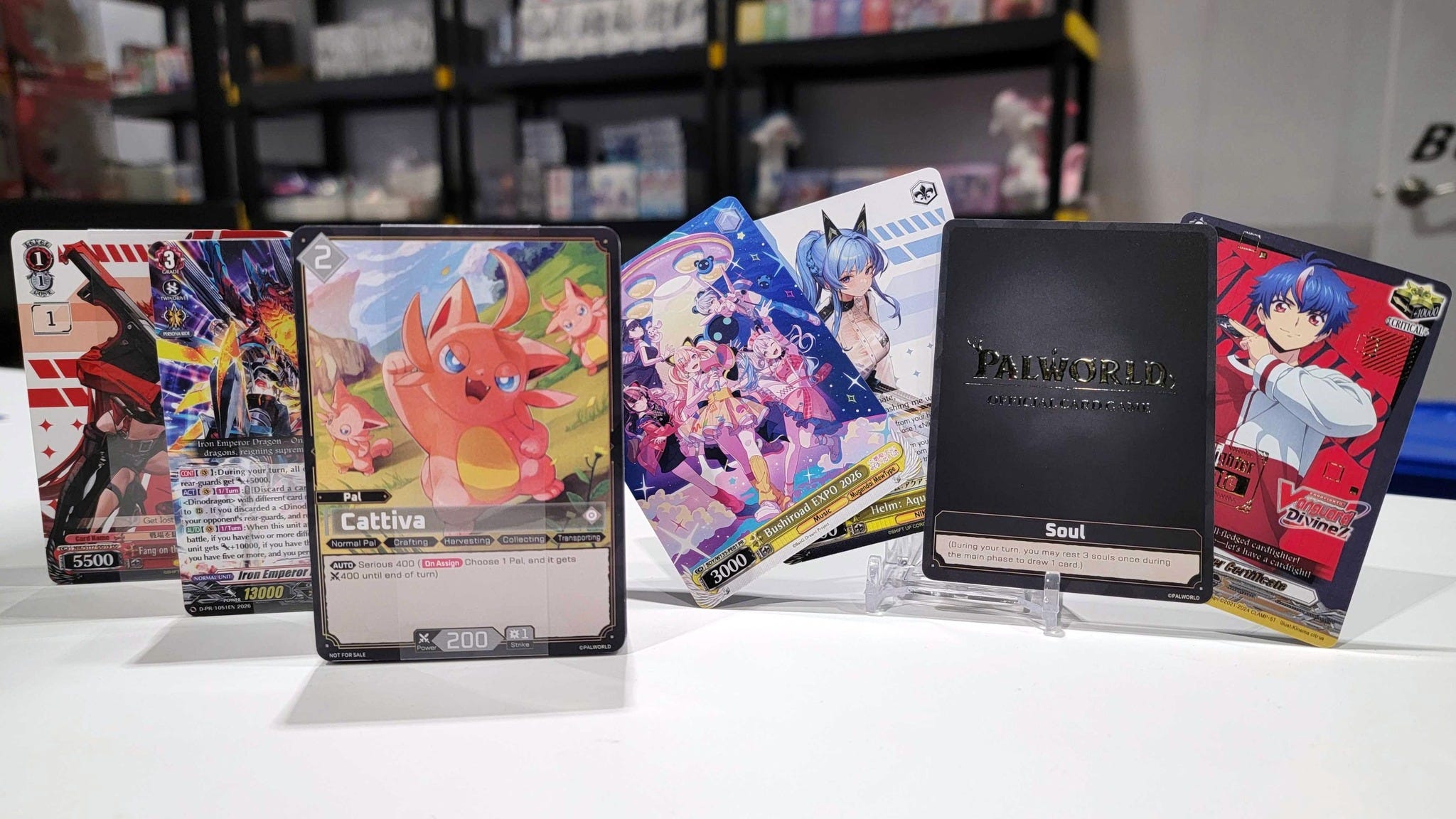
Trading card maker Bushiroad secured four five-year bank loans totaling ¥10 billion (US$63 million) to boost efforts to develop new and existing intellectual properties, accelerate overseas expansion, and double sales revenue. (Gamebiz)
IG Port posted record operating profit in the three months ended in February as the anime production group’s opening of a retail store and distribution channel in China led to an ¥813 million (US$5.1 million) jump in merchandise sales. (Otaku Lab)
Gaming studio Cygames will sponsor the Kentucky Derby thoroughbred horse race in Louisville, Ky. for the second year in a row as the company’s Umamusume: Pretty Derby mobile game continues to make waves in North America. (Press release)
The Cool Japan Fund is partnering with financial services giant SBI Holdings to form a ¥12.5 billion (US$78.5 million) venture capital fund and invest in startups specializing in anime, manga, music, video games, and other entertainment media. (The Nikkei)
Sony Group and Honda Motor have abandoned the joint development of an electric vehicle that two years ago was announced to feature an integration with Crunchyroll’s anime streaming library. (Reuters)
Japanese voice actors are helping lead private sector efforts to prevent unauthorized use of voices actors by artificial intelligence technologies by certifying original voices of actors as anime’s growth increases their popularity. (Kyodo News via The Mainichi)
Portland, Ore.-based Fakku, the largest English-language publisher of pornographic manga, faces increasing scrutiny from payment processors over content that may be deemed thematically controversial, pushing it to explore alternative payment methods like cryptocurrency. (Fakku! News)
Media Do CEO bets on print manga and books overseas
“Translation is important, but ultimately, the sole deciding factor is whether it can be distributed in print.”
— Yasushi Fujita, Media Do president and chief executive officer
Context: Speaking last week at Media Do’s earnings results presentation for the fiscal year that ended in February, Fujita argues that overseas expansion efforts by Japan’s publishing industry are dependent on its ability to leverage print books, which have high market share and higher unit prices in the global book market, entirely opposite from the domestic market where e-books have been the primary growth category.
Rewind: Media Do, which built its business as an e-book distributor, last month completed acquisition of Los Angeles-based manga and light novel publisher Seven Seas Entertainment, which derives 83 percent of its sales from print books.
The move drew significant attention in Japan, and over 400 people attended a briefing last month where Fujita and Seven Seas chief executive officer Jason DeAngelis answered questions from institutional investors and industry analysts.
By the numbers: Due to historically weak currency exchange levels for the yen, the average price of a single print manga volume in the United States is now more than three times its price in Japan and about two times for digital manga.
Book pricing practices also differ between the two markets, with print and digital manga being sold at the same price point in Japan, whereas print manga are listed nearly twice the price of digital manga in the United States.
What they’re saying: “As the [U.S.] market matures, product formats are diversifying, with a broader range of book specifications and price points,” Media Do told investors and analysts.
“While US$13 mass-market paperbacks were previously the mainstay, the market is now ready to maximize content value,” it added. “For instance, US$60 deluxe editions are being released as collector’s items, tailored to the specific content and the passion of the fans.”
“This culture of accepting high-priced products for collectors is seen not only in the U.S. but also in Canada and Europe. Therefore, we believe that further market expansion and improved profitability will continue,” the company concluded.
Animenomics is an independently run and reader-supported publication. If you enjoyed this newsletter, consider sharing it with others.