


This is your weekly Animenomics briefing, covering the business of anime and manga. Today is Wednesday, April 8, 2026.
In case you missed it: France, one of manga’s largest export markets, has signed an agreement with Japan to cooperate on efforts to combat manga and webtoon piracy.
The French Publishers Association, France’s trade association of book publishers, also announced Japan as the featured guest country for the Paris Book Festival in 2028, in cooperation with the Japan Book Publishers Association.
AnimeJapan sets new records, looks forward to Osaka
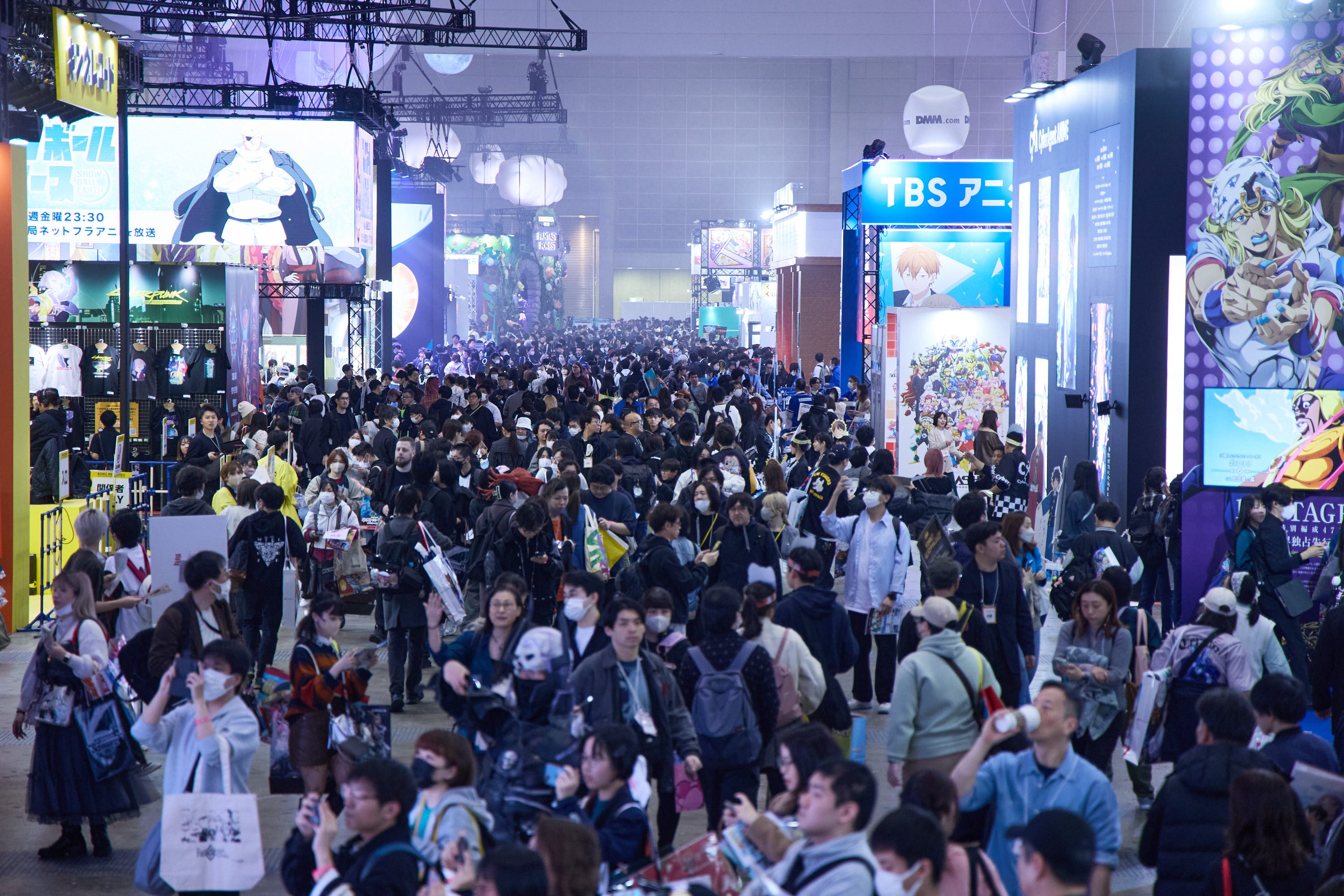
Attendance at last week’s annual AnimeJapan trade exhibition in Tokyo was 2 percent larger than last year’s edition, reaching a new record of 156,000, as anime viewership continues to grow worldwide.
Why it matters: AnimeJapan’s timing just before the start of Japan’s fiscal calendar in April makes it the perfect event for producers to announce and promote new titles for the year ahead.
A total of 67 domestic and foreign firms ran booths over the two business days, exceeding the pre-pandemic high, and the number of public day exhibitors also reached a new high.
Zoom in: Anime production giants like Aniplex, Bandai Namco, Kadokawa, and Toho turned their spaces into Instagrammable experiential pavilions, which have grown in popularity among public day attendees in recent years.
Sony unveiled its internally developed anime production software AnimeCanvas to the public, showcasing new advancements in digital anime production that the company hopes will be adopted by the broader industry.
Amazon Prime was notably absent from the roster of global streaming services that exhibited on the public days, opting for a joint presentation with Kodansha to promote the upcoming The Ghost in the Shell series to business attendees.
Aiming to increase public understanding on the business of anime production, organizers also set up a gallery that highlights the roles of individual producers and their work in shaping an anime’s success.
Anime’s growing influence also attracts companies with only loose ties to anime, such as Ultraman series rightsholder Tsuburaya Fields promoting the franchise’s 60th anniversary this year with a large pavilion.
Yes, but: Osaka will host AnimeJapan for its 2027 and 2028 editions, and it’s unclear whether turnout for the next two years will match attendance in Tokyo.
AnimeJapan’s new site, Intex Osaka, is Japan’s third largest exhibition venue and has 750,000 square feet (70,000 square meters) of exhibition space, slightly more than the 650,000 square feet (60,000 square meters) used at Tokyo Big Sight this year.
Between the lines: Organizers told Animenomics that a decision on whether business events of AnimeJapan will also move to Osaka is still pending.
Most of Japan’s anime companies are based in the Tokyo area, and transporting a high number of personnel across the country for the event would be costly.
METI urges risk-taking in overseas anime market push
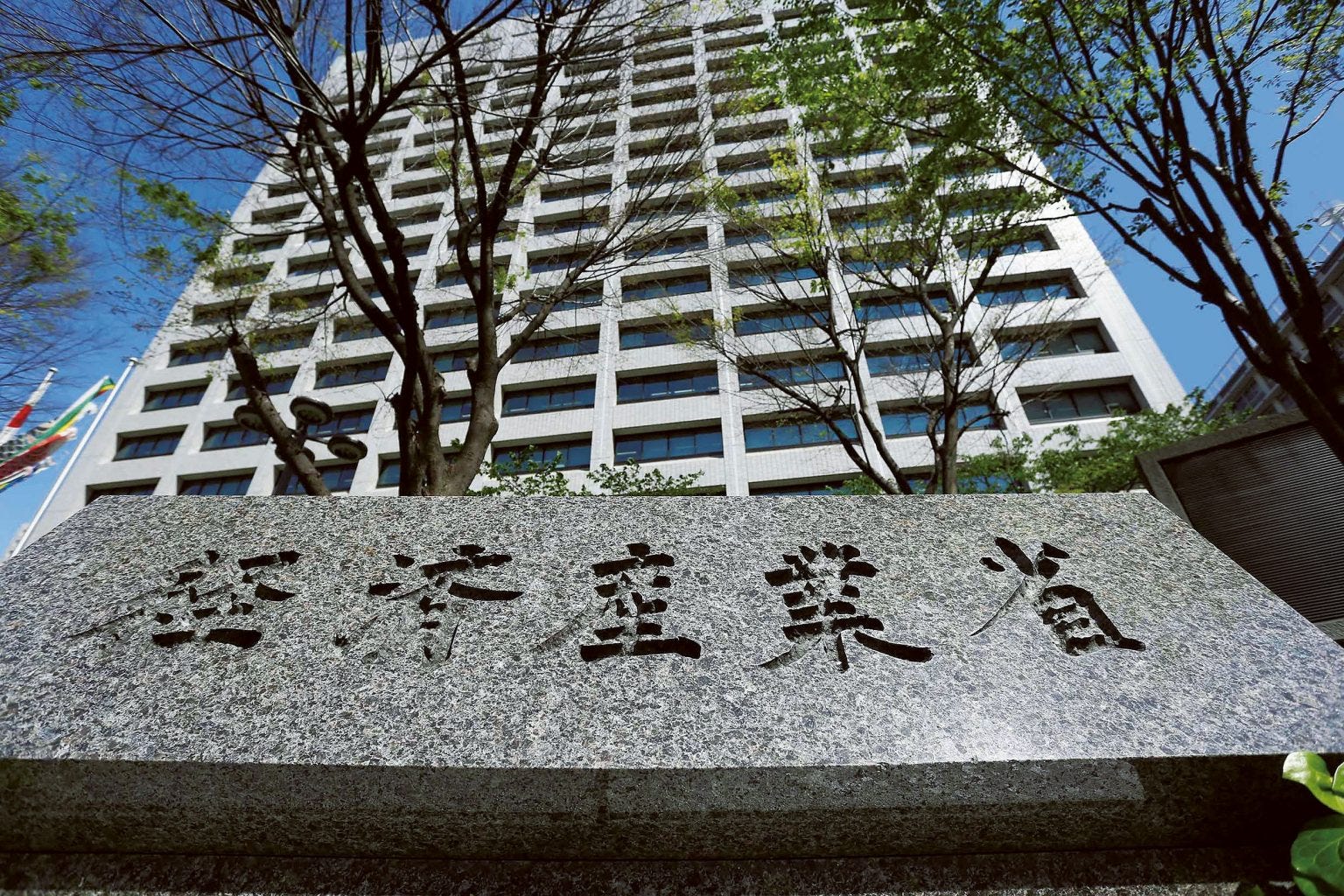
Japan’s Ministry of Economy, Trade, and Industry has set an official target for anime’s overseas market to grow to ¥6 trillion (US$38 billion) by 2033, nearly triple the level of 2024, the most recent year for which data is available.
Why it matters: It’s the first time that the Japanese government has set a sector-by-sector overseas market target for the country’s entertainment sector, which as a whole has a ¥20 trillion (US$127 billion) target.
By the numbers: For the anime industry to reach its target, the overseas market must grow almost ¥4 trillion (US$25 billion) in the ten years from 2024 to 2033.
To illustrate the enormous task at hand, the overseas anime market grew about ¥1.8 trillion (US$11 billion) over the previous ten years, so average growth rate of the next decade must double.
The intrigue: METI’s target hinges on two key strategies: increasing the production of blockbuster anime titles and higher compensation for producers with a track record of profitable anime productions.
In order to encourage risk-taking, METI updated its subsidy evaluation criteria to focus on quantitative figures such as production cost, the number of countries in an international release, and the number of languages targeted for localization.
Anime subsidies will be reserved for projects with a minimum production cost of ¥600 million (US$3.8 million), twice the production cost of an average 12-episode anime series today.
Subsidy amounts will be linked to the average sales of the applicant’s past anime projects with a ceiling set at ¥1.5 billion (US$9.5 million) per project.
What we’re watching: METI wants private investment in anime to grow to ¥3.3 billion (US$21 million) by 2033, up from an estimated ¥1.2 trillion (US$7.6 million) in 2024.
As previously reported by Animenomics, the ministry is looking to identify anime films that would be suitable candidates for debt financing, a funding model used by many other entertainment exporting countries.
At the same time, the government will draft guidelines and methodologies for the introduction of completion guarantees to protect anime creators from predatory lenders.
METI has designated MUFG Bank as the lead coordinator for the development of this new financing framework, with plans to start issuing loans as early as 2027, the Nikkei financial newspaper reports.
What’s next: METI’s entertainment and creative industry study group will now shift its focus to developing concrete plans for training new anime creators and improving the working environment at anime studios for implementation in 2027 onward.
Clippings: Activist investor buys up Kadokawa shares
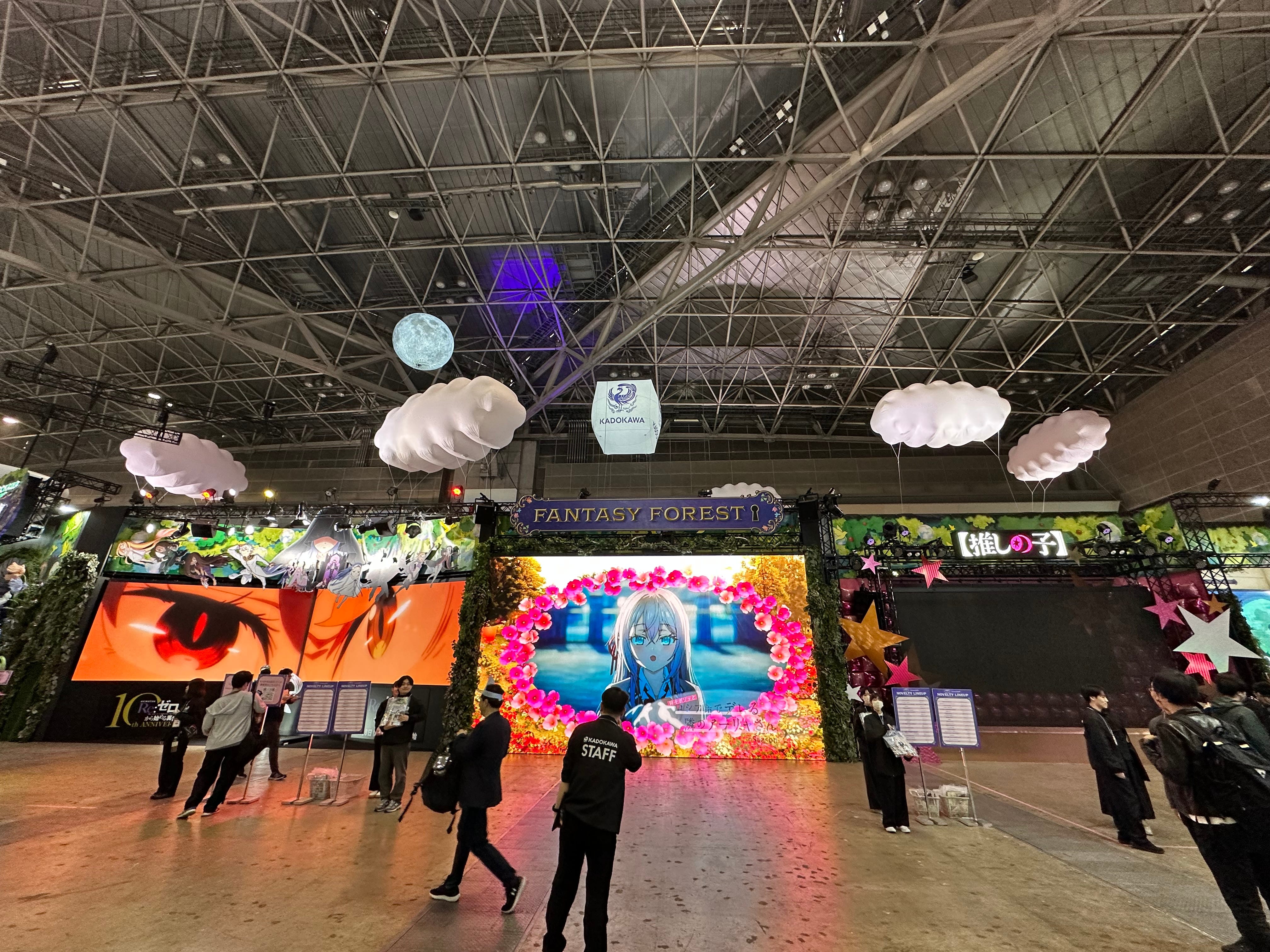
Hedge fund manager Oasis Management has become the largest sole shareholder of Kadokawa, displacing Sony Group, which has been the publishing giant’s principal shareholder since its 2024 investment. (Animation Business Journal)
Oasis is known as an activist investor and hold shares in Japanese companies such as cosmetics manufacturer Kao, electronics conglomerate Toshiba, and stationery manufacturer Kokuyo and previously pushed Nintendo to enter mobile gaming.
Disclosures submitted to Japan’s Financial Services Agency show that Hong Kong-based Oasis spent more than ¥40 billion (US$250 million) to triple its Kadokawa shareholding last month.
Japan’s ‘oshikatsu’ market has surged to ¥3.8 trillion (US$24 billion), with inflation-proof spending by older consumers above 40 years old driving the market, according to a survey by the Nomura Research Institute think tank. (The Nikkei)
Aniplex and Crunchyroll’s anime planning and production joint venture Hayate has acquired anime production studio Lay-duce, best known for animating Aniplex titles such as Tomo-chan Is a Girl! and Magi: Adventure of Sinbad. (Press release)
Tokyo’s twice yearly Comic Market will become a three-day event in December, the first time in seven years that it will be held for more than two days, due to renovations at Tokyo Big Sight impacting the venue’s daily capacity. (Kai-You)
Naver-owned Webtoon Entertainment will allow independent webcomic creators to opt in to a new artificial intelligence feature that can translate their works into seven languages. (The Verge)
Animenomics is an independently run and reader-supported publication. If you enjoyed this newsletter, consider sharing it with others.