


The weekly Animenomics briefing is back covering the business of anime and manga. Today is Wednesday, October 14, 2026.
In case you missed it: I wrote a column for ICv2 in August examining the proliferation of digital manga platforms owned by Japanese companies in North America.
Digital manga is a quickly evolving landscape in the region. Two days after my column, NTT Docomo announced it was ending operation of Manga Mirai after less than two years.
Anime studios hit with higher foreign outsourcing costs

A historically weak yen is forcing Japan’s anime production industry to reconsider its reliance on foreign animation studios for subcontract work as outsourcing costs rise, an annual analysis by credit reporting agency Teikoku Databank found.
Why it matters: As previously reported by Animenomics, Japan’s anime studios are already under pressure to secure staff for production teams, pushing more hiring for full-time salaried roles at home.
Among 189 anime studios surveyed by Teikoku Databank, the share that hired freelance workers slipped 3.6 points this year to 70.4 percent.
Zoom in: Due to rising labor costs among the industry’s longtime foreign outsourcing partners, the share of Japanese anime studios that conducted business with foreign companies in fell by 3.4 points in 2026 to 41.8 percent.
Transactions between Japanese anime studios and Chinese subcontracting studios have fallen nearly 30 percent from its 2023 peak, which Teikoku Databank says is due to growing demand for domestic animators in China.
Deals with South Korean companies remained flat this year after nearly tripling between 2023 and 2025.
What’s at stake: It’s unclear whether anime studios can keep up with the rising global demand for anime production given labor pressures at home and abroad.
Cumulative revenue of anime studios could fall this year for the first time since 2021 as some decline projects in order to ensure production quality and improve working conditions, according to Teikoku Databank’s forecast.
What we’re watching: Whether more anime studios shift production pipelines to new low-cost outsourcing markets like Southeast Asia, as Toei Animation has said it will do over the next five years.
Hayate leads development of 15 webtoon-based anime

Hayate, the anime planning and production joint venture formed last year by Aniplex and Crunchyroll, is developing anime adaptations for up to 15 webtoon titles currently distributed on LINE Manga, the Japanese platform operated by LINE Digital Frontier.
Why it matters: Webtoon readership is in decline in Japan, making anime and other screen adaptations more important for LINE Digital Frontier and its parent company, Webtoon Entertainment, which is controlled by South Korean internet giant Naver.
In the fiscal quarter ending in June 2026, Webtoon Entertainment reported triple-digit revenue growth year-over-year in Japan from IP adaptations.
Yes, but: Not all 15 anime adaptations have been greenlit for production yet, Cartoon Brew reports.
Between the lines: Most, if not all, of the adaptations associated with Hayate are not new and are, instead, part of a pipeline of 20 anime projects that LINE Digital Frontier chief growth officer Sinbae Kim shared with South Korean media early last year.
Kim told Animenomics in an interview at Anime Expo last year that Hayate and Crunchyroll were partners in many projects like Teenage Mercenary, information that Animenomics agreed to keep confidential at the time.
Where things stand: Japan’s anime production pipelines are full, and anime studios are booked four to five years in advance, which could impact how soon the 15 anime can be greenlit.
“Yes, it’s hard to secure a spot in the pipeline, but the market and producers are also looking for new stories and new approaches,” Kim reasoned last year. “If we have a very interesting project, we can still make a new production line with various partners.”
Clippings: Sony creates new content unit at Crunchyroll
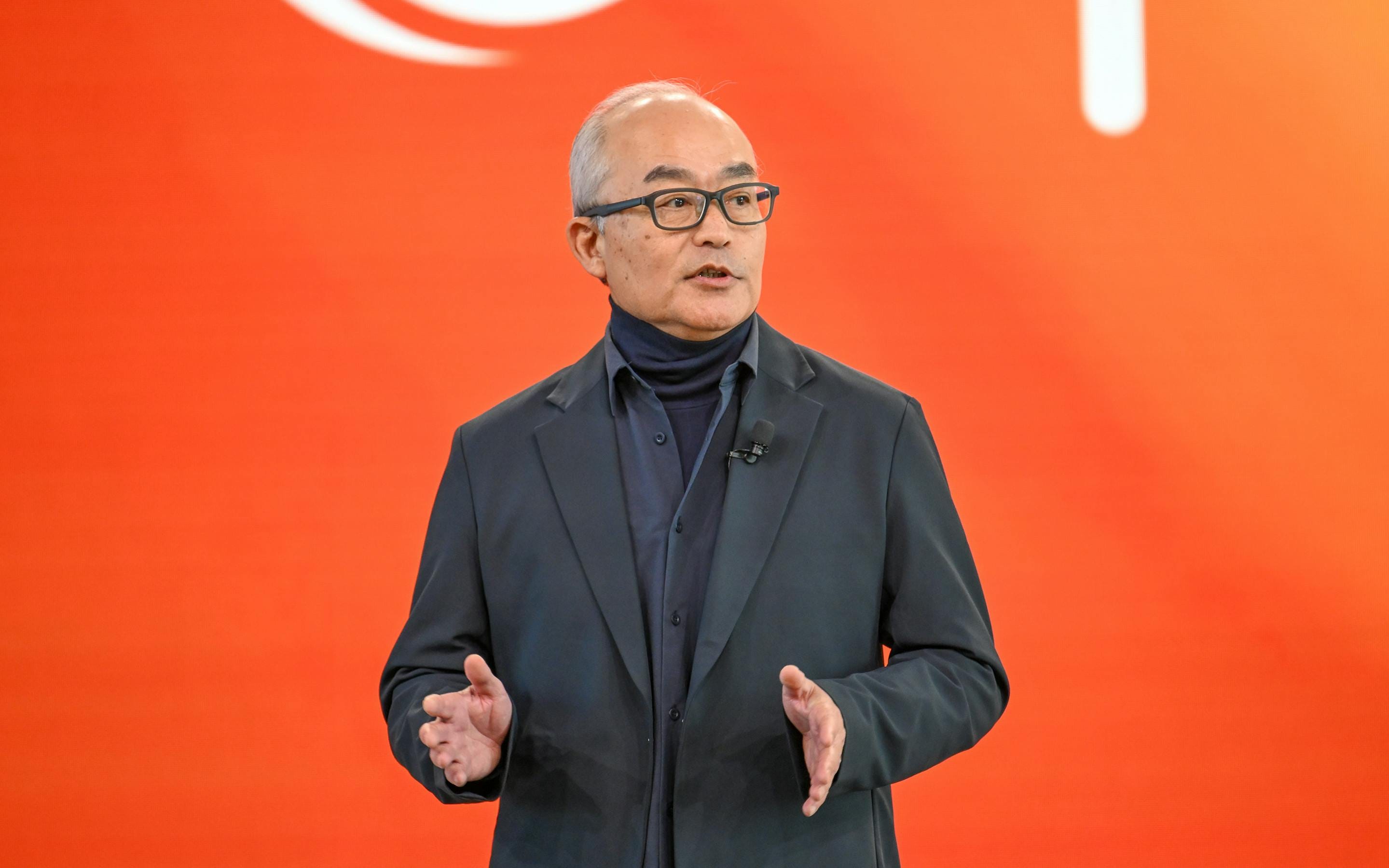
A new Crunchyroll division aims to create anime based on non-Japanese media and live-action adaptations of anime as Sony leans further into its entertainment business. (The Yomiuri Shimbun)
Crunchyroll Storyworks will be led by Tohru Iokibe, an IP development veteran at Sony Pictures Entertainment, and will build the pipeline for Crunchyroll’s Hayate joint venture with Aniplex, Sony says.
Crunchyroll’s Japan unit spent ¥918 million (US$5.8 million) to acquire a 7 percent stake and board nomination rights in Link-U, the digital manga technology firm that built the Crunchyroll Manga platform that was relaunched last year. (Tokyo Brief)
Link-U will spend 40 percent of the investment money on bringing Crunchyroll Manga into new markets, according to an earlier filing submitted to Japan’s Financial Services Agency.
Hong Kong regulators forced the streaming platforms to suspend distribution of the Chainsmoker Cat anime, adapted from a Kodansha manga, during the summer over violations against a ban on tobacco advertising. (South China Morning Post)
The suspension, along with other incidents of anime distributors recalling releases from some markets, has prompted Japan’s anime industry to weigh its creative freedom against attempts to appeal to global audiences, Kyodo reports.
North American manga sales have jumped 40 percent this year compared to the same point in 2025, according to Circana BookScan, making it the fastest growing category in the region’s comics and graphic novels market. (Publishers Weekly)
Japan will not fund the lossmaking public–private Cool Japan Fund in the fiscal year starting in April 2027, effectively ending the fund’s ability to make new investments in anime and other cultural projects. (The Mainichi)
Bookstore chain Tsutaya is entering Thailand this month as the market for IP-related merchandise expands in the country and throughout Southeast Asia thanks to the rise in anime and manga audiences. (Nikkei Asia)
An AI voice cloning lawsuit brought by anime voice actor Kenjiro Tsuda has led to a landmark ruling by Tokyo District Court that extends publicity rights protection to human voices. (Associated Press)
Crunchyroll founder opens anime licensing marketplace
“Unlike streaming, [merchandise] licensees remain highly regional, divided into territories such as North America, Latin America, and Europe. Many Japanese licensors find it relatively easy to work with North American partners, but understanding markets like Brazil and Mexico, which have a strong interest in business expansion, is more challenging.”
— Sae Whan Song, AniBiz co-founder and head of business development
Context: Former Crunchyroll executives, including founder and former chief executive officer Kun Gao, in a two-part interview with Nikkei Entertainment!, explain the reason for launching the anime licensing marketplace AniBiz earlier this summer.
What they’re saying: Licensing revenue plays an important role in ensuring that production committees recover money invested in anime projects, but the rights business hasn’t grown as quickly as the streaming business, chief executive officer Brady McCollum told the outlet.
How it works: AniBiz is largely free to use for both licensors and licensees alike, as its operator, San Francisco-based Nakama, seeks to replicate the business model of global networking platform LinkedIn.
Licensors can pay a fee for services like foreign currency settlement support and data storage, and a subscription is available to licensees who want to receive an approval badge following more robust screening.
Trade groups seek limits on anime, manga web domains

.anime and .manga as new generic top-level web domains. John Charles/UnsplashJapan’s anime and manga companies are pushing for future website registrations with the newly proposed generic top-level domains .anime and .manga to be governed by the anime and manga industries themselves.
Why it matters: Anime and manga rightsholders believe restricting who can register websites with .anime and .manga domains will help ensure protection of intellectual property rights and prevent abuse by content pirates.
Rewind: ICANN, the non-profit body responsible for coordinating management of the Internet’s Domain Name System, earlier this year opened its first application round for creating new generic top-level domains for the first time since 2012.
Anime and manga’s influence on Internet culture has grown in the last 14 years, and a fight is brewing over who gets to define the identity of anime and manga.
The details: Toei Animation, submitting on behalf of the entire anime industry, wants .anime domains to checked against legal company names, trademarks, anime titles, character names, and approved products and services.
Kodansha, submitting on behalf of the manga industry, wants
.mangato be used only by publishers, rightsholders, distributors, Japan Cartoonists Association members, and manga research institutions.If the proposals are approved by ICANN, any eventual registry operator for either domain would be managed by an industry consortium, not by the companies that submitted the application.
The other side: Oinkadot, a new domain registrar created by two Internet executives in the United States, submitted alternative proposals for both domains, arguing that they should be unrestricted for use by the broader fan and creator ecosystem.
The bigger picture: Restricting who can use .anime and .manga would give Japan an opportunity to make “anime” and “manga” protected designations, similar to “champagne”, as argued by Japanologist Matt Alt.
Animenomics is an independently run and reader-supported publication. If you enjoyed this newsletter, consider sharing it with others.