


This is your weekly Animenomics briefing, covering the business of anime and manga. Today is Wednesday, March 4, 2026.
In case you missed it: Aniplex has indicated that screenings of the first Demon Slayer: Infinity Castle film in Japan could end as soon as early April as the company plans the final batch of audience bonuses for moviegoers.
The film is still about ¥1 billion (US$6.7 million) short of overtaking Demon Slayer: Mugen Train as the highest-grossing film in the domestic box office, according to box office sales data provider Kogyo Tsushinsha.
Anime rightsholders reduce reliance on film distributors
Anime production companies are accelerating efforts to form their own domestic film distribution systems, shifting away from using legacy theatrical distributors to build in-house expertise and retain a bigger share of box office earnings.
Why it matters: Anime’s fourteen highest-grossing films in 2025 earned a cumulative ¥90.1 billion (US$573 million) in the Japanese box office, but at least half of that was paid by producers to theatrical distributors like Toho, Shochiku, and Toei.
Producers rely on distributors because they have established relationships with cinemas and exhibition companies that can screen the films.
Driving the story: This week, Sony-owned anime production planning firm Aniplex and publishing giant Kadokawa announced the formation of a joint venture company for anime film distribution and promotion, named Animec.
That news was followed the next day by Bandai Namco Filmworks announcing the establishment of a film distribution division to expand in-house distribution to more Bandai Namco anime properties.
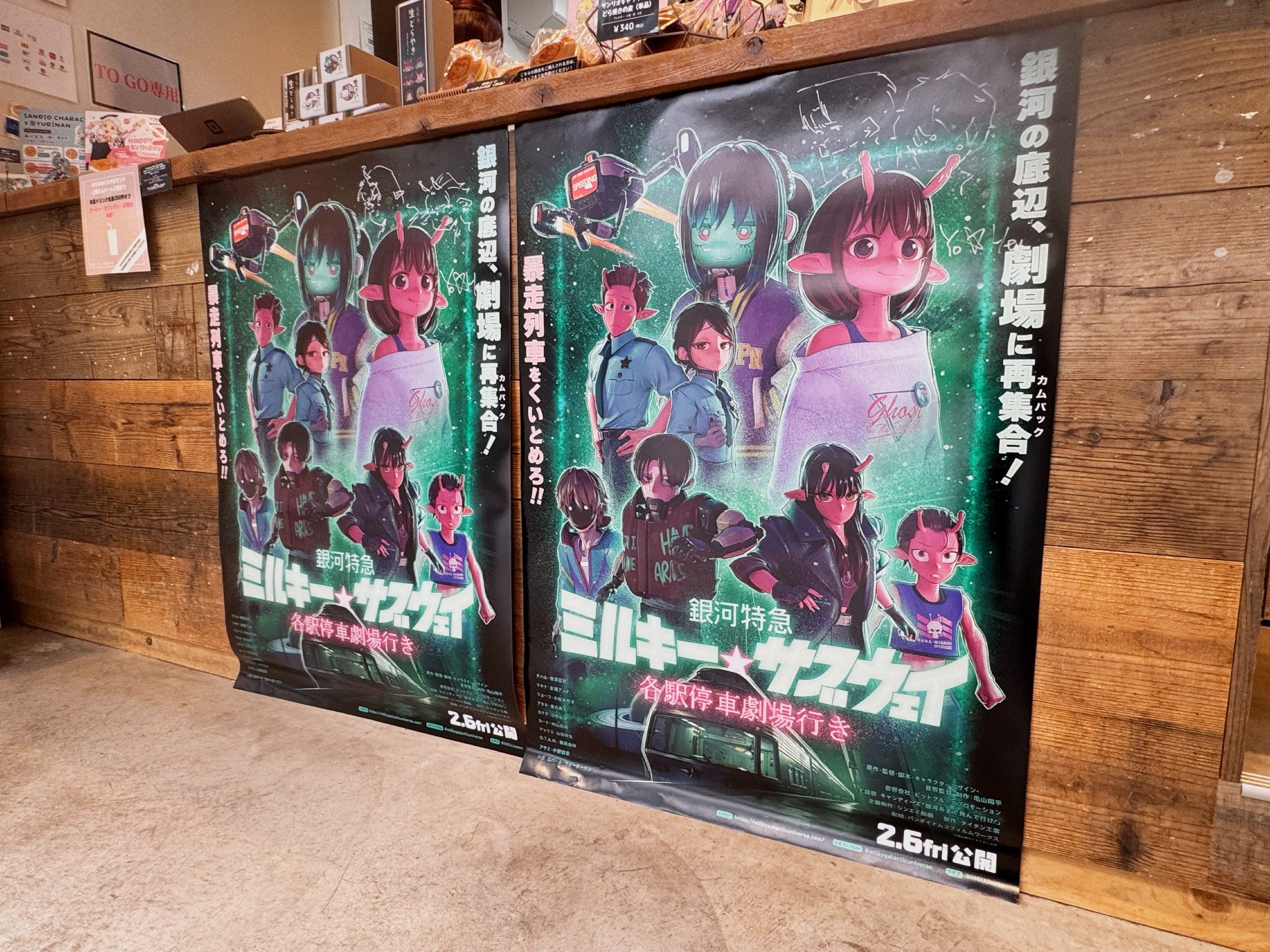
Zoom in: Bandai Namco Filmworks has seen early success in direct distribution efforts with Milky Subway: The Galactic Limited Express, a 46-minute short film that opened in fourth place in weekend box office rankings last month and has earned north of ¥400 million (US$2.5 million) domestically.
Bandai Namco Filmworks also intends to use its direct distribution expertise, built through years of experience with co-distributing its Mobile Suit Gundam films, to redistribute older films in its ownership.
For Kadokawa, a joint venture with Aniplex fulfills a commitment that Sony made with the publisher for “joint promotion of further media mix of both companies’ IP” that was made when Sony acquired a 10 percent stake in 2024.
Media Do pivots with U.S. manga publisher acquisition
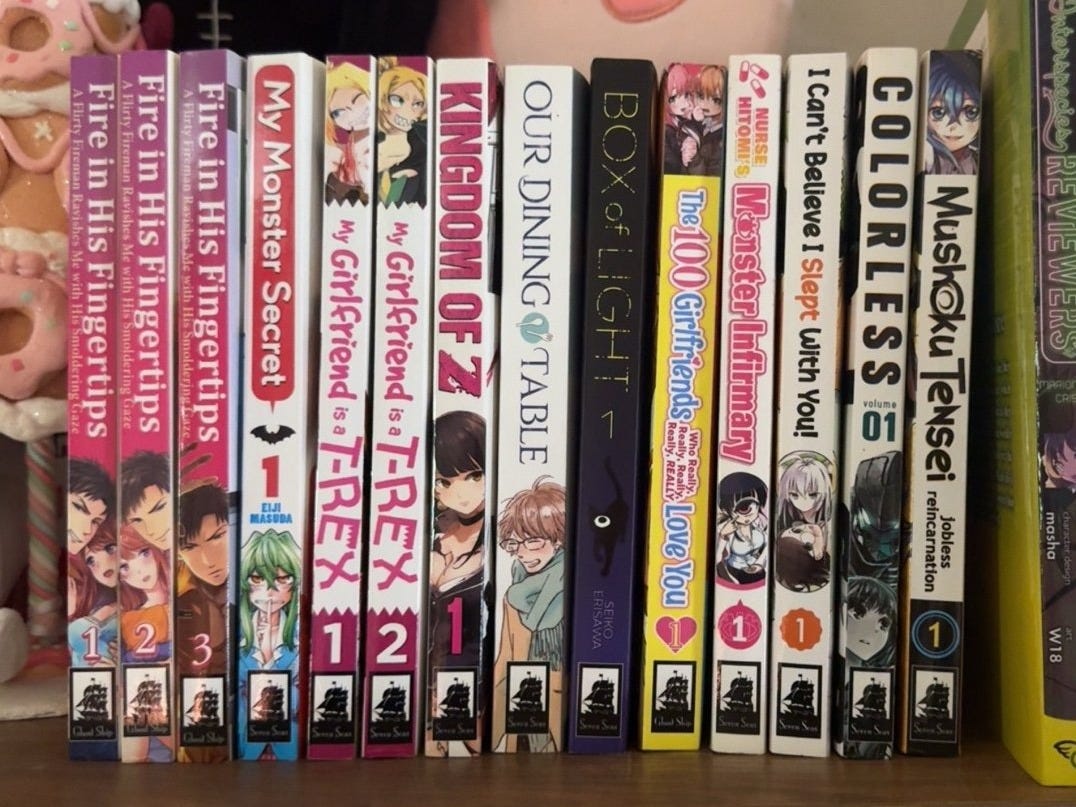
Japanese e-book distribution giant Media Do is acquiring Seven Seas Entertainment, up to now the largest publisher of manga and light novels in North America that isn’t affiliated with a Japanese publishing house, for US$80 million.
Why it matters: The deal marks a significant pivot for Media Do, Japan’s largest e-books wholesaler, because the Los Angeles-based publisher draws most of its sales from printed books.
How it happened: Media Do is struggling amid a rapid deceleration in digital manga sales, which make up 90 percent of all e-book sales in Japan.
In 2024, Media Do abandoned a five-year plan after failing to meet interim sales and profit targets, selling off units like web novel platform Everystar and anime and manga fan community MyAnimeList.
A new five-year plan the company launched last April shifted its focus to overseas markets, where print sales still make up 90 percent of the publishing market.
Between the lines: Media Do “will not use AI in the translation operations of Seven Seas”, it said in a statement but plans to integrate Seven Seas production know-how into Media Do Translation System (MDTS), an AI-powered workflow it’s developing for digital translation of Japanese literature.
Media Do sees text-based publications, which is translated into other languages at one-fourth the rate of manga, as a future area of growth for its new overseas business.
Only 40 percent of text-based works in Japan are published as e-books when they are first released, and MDTS is intended to push domestic publishers to bring more non-manga e-books to the market for Media Do to distribute.
By the numbers: Seven Seas reported US$50.4 million in net sales in 2024, about 12 percent off its previous year peak, and it expects results to remain stable in 2025.
Operating margin, however, has fallen from 23 percent in 2022 to 13 percent in 2024 as production costs increased after the COVID-19 pandemic.
The Nikkei financial newspaper reports that Media Do wants to double Seven Seas’s annual publishing output, which will require diligent cost controls.
What we’re watching: How the acquisition by a Japanese company might affect the Seven Seas pipeline of Chinese literature featuring same-sex relationships.
Since first licensing danmei novels featuring same-sex male relationships in 2021, Seven Seas has become North America’s largest publisher of the genre.
Last year, the company also began publishing baihe novels featuring same-sex female relationships.
Clippings: Twin Engine adds anime studio Nut to group

Anime studio Nut, founded in 2017 and best known for animating light novel series The Saga of Tanya the Evil and manga series Blue Giant, has been acquired by anime production planning company Twin Engine. (Press release)
Japan’s capsule toy shipments rose 39 percent in 2025 to reach a total merchandise value of ¥196 billion (US$1.24 billion), driven by a domestic resurgence in classic IPs like Sanrio and Tamagotchi and demand for products from popular anime like Demon Slayer and Jujutsu Kaisen among foreign visitors. (Japan Capsule Toy Association)
Shogakukan is investigating its own MangaONE digital manga service after it found that editors rehired two manga creators for new works on separate occasions despite knowing that they had been convicted of sexual crimes. (Jiji Press)
Kyoto Animation’s Hideaki Hatta died last month at the age of 76 after leading the anime production studio for more than 40 years and becoming the public face of the company after it suffered a devastating arson attack in 2019. (The Yomiuri Shimbun)
Japan’s subscription video-on-demand revenue rose more than 14 percent in 2025 to nearly ¥602 billion (US$3.82 billion), thanks largely to subscription price increases at services like Netflix and Prime Video. (GEM Partners)
‘Jujutsu Kaisen’ game turns into success for CyberAgent

Jujutsu Kaisen: Phantom Parade, a turn-based role-playing game based on the popular anime series, has become the second most successful mobile game developed under the umbrella of CyberAgent, according to mobile analytics firm Sensor Tower.
Why it matters: As previously reported by Animenomics, CyberAgent has sought to replicate the success of the Umamusume: Pretty Derby mobile game, developed by its Cygames unit, as the company pivots from digital advertising to entertainment.
By the numbers: Jujutsu Kaisen: Phantom Parade accounted for about 17 percent of CyberAgent’s cumulative mobile game revenue from Japan in the two-year period since its launch in November 2023, according to Sensor Tower.
Umamusume: Pretty Derby stayed ahead with 51 percent of cumulative mobile game revenue over the same period.
While Japan only accounted for 32 percent of total downloads of Phantom Parade, players there made up 84 percent of total user spending on the game.
The intrigue: Phantom Parade’s average monthly active users in Japan over the two-year period surpassed that of miHoYo’s popular title Honkai: Star Rail, behind only Fate/Grand Order in the role-playing game category.
Three out of four Japanese Phantom Parade players were male, and four out of five were ages 18–44.
Animenomics is an independently run and reader-supported publication. If you enjoyed this newsletter, consider sharing it with others.