


This is your weekly Animenomics briefing, covering the business of anime and manga. Today is Wednesday, June 3, 2026.
In case you missed it: Tetsu Fujimura, the founder of film distributor Gaga who also served as executive producer on live-action adaptations of Ghost in the Shell and One Piece, listed all Hollywood films in development based on Japanese anime, manga, and video properties in a presentation at Cannes Film Market.
CG anime studios gain AI tools in production software
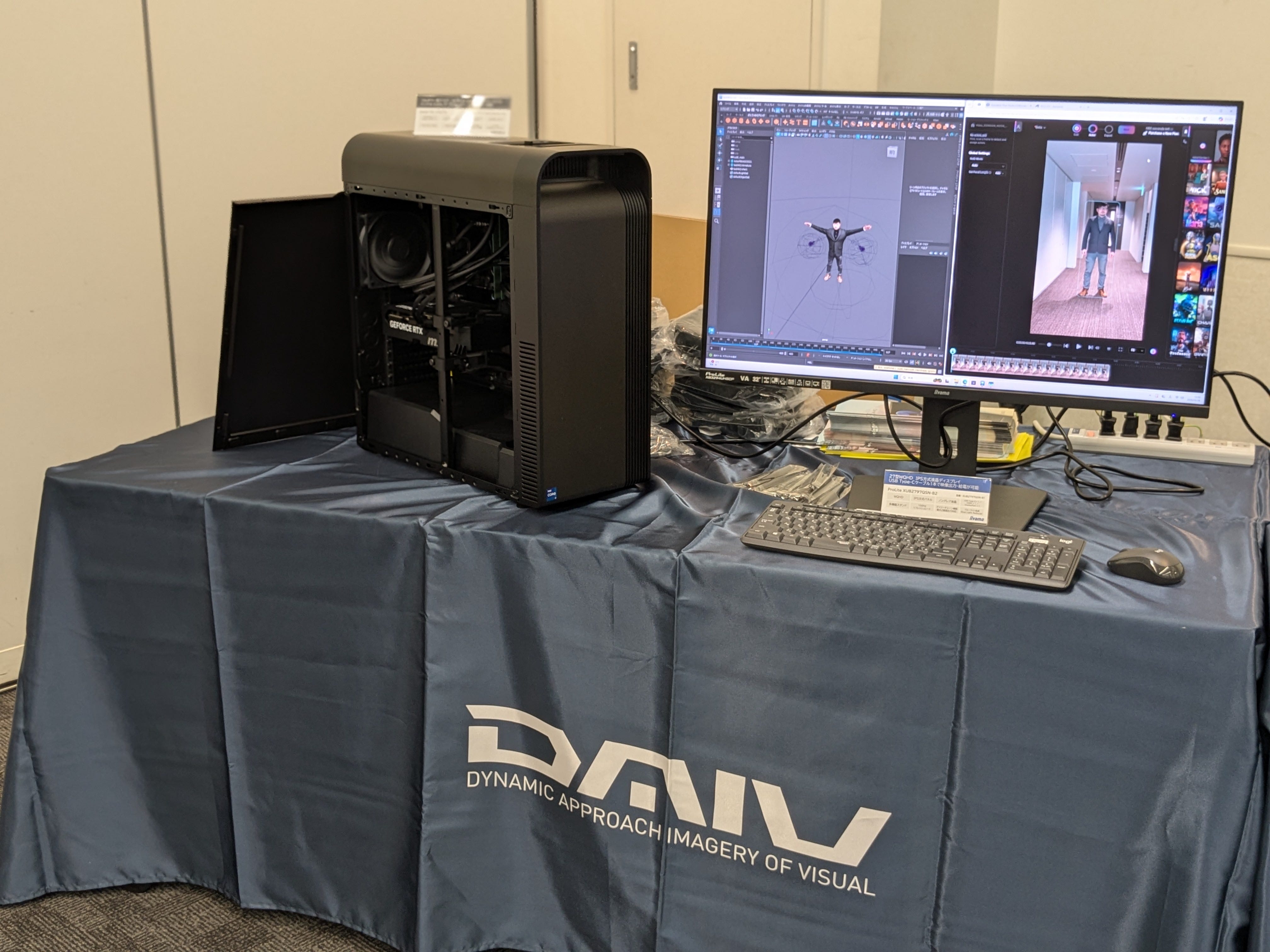
Japan’s anime industry has yet to make full strides toward using artificial intelligence in animation production, but anime studios specializing in 3D computer graphics are finding it more and more difficult to ignore AI in their production software.
What we heard: “We anticipate that CG and AI will naturally become technologically integrated in the future,” DandeLion Animation Studio president Kazuhiro Nishikawa told attendees of an event organized by financial technology company Freee in April.
“Precisely because [AI] is technology we can’t avoid, we feel it’s important for us to gain a deep understanding of it ourselves and to be able to control how we use it, determine where it’s appropriate to use it, and where it isn’t,” Nishikawa said, per CGWORLD magazine.
Where things stand: DandeLion and other Japanese anime studios working in 3D CG use production software made by the American software company Autodesk, which is quickly embedding AI tools in popular applications like 3ds Max and Maya.
In March, Animenomics attended an Autodesk event in Tokyo, where company representatives demonstrated Flow Studio, an AI-based 3D animation software that Autodesk acquired in 2024, to anime industry workers.
Between the lines: Autodesk AI tools aren’t marketed as one-click solutions but “aim to smooth out the slow, frustrating, often invisible parts of the 3D workflow that eat up artists’ time”, as digital arts journalist Ian Dean reported earlier this year.
While Flow Studio introduces generative AI capabilities to 3ds Max and Maya, the tools Animenomics observed are designed for conceptualization work rather than making a fully AI-generated work, allowing CG artists to retain creative control.
Yes, but: “The reality is that the anime industry has many visual artists, and as a result, there are many cautious or negative opinions toward AI,” Nishikawa admitted.
Last year, Toei Animation was forced to amend an earnings results presentation after the inclusion of production materials for the Pretty Cure series on a slide about AI was misinterpreted as an indication that AI technology was used in production of the work.
At the Autodesk event in March, Toei Animation CG section chief Naoki Sato, who was a guest presenter, reiterated that the studio doesn’t actively use AI in anime production.
What we’re watching: DandeLion’s upcoming adaptation of South Korean webtoon Eleceed uses Flow Studio for motion capture, which will be a test to see how Autodesk AI tools perform in anime production.
Shin-Ei Animation sources YouTube for IP development
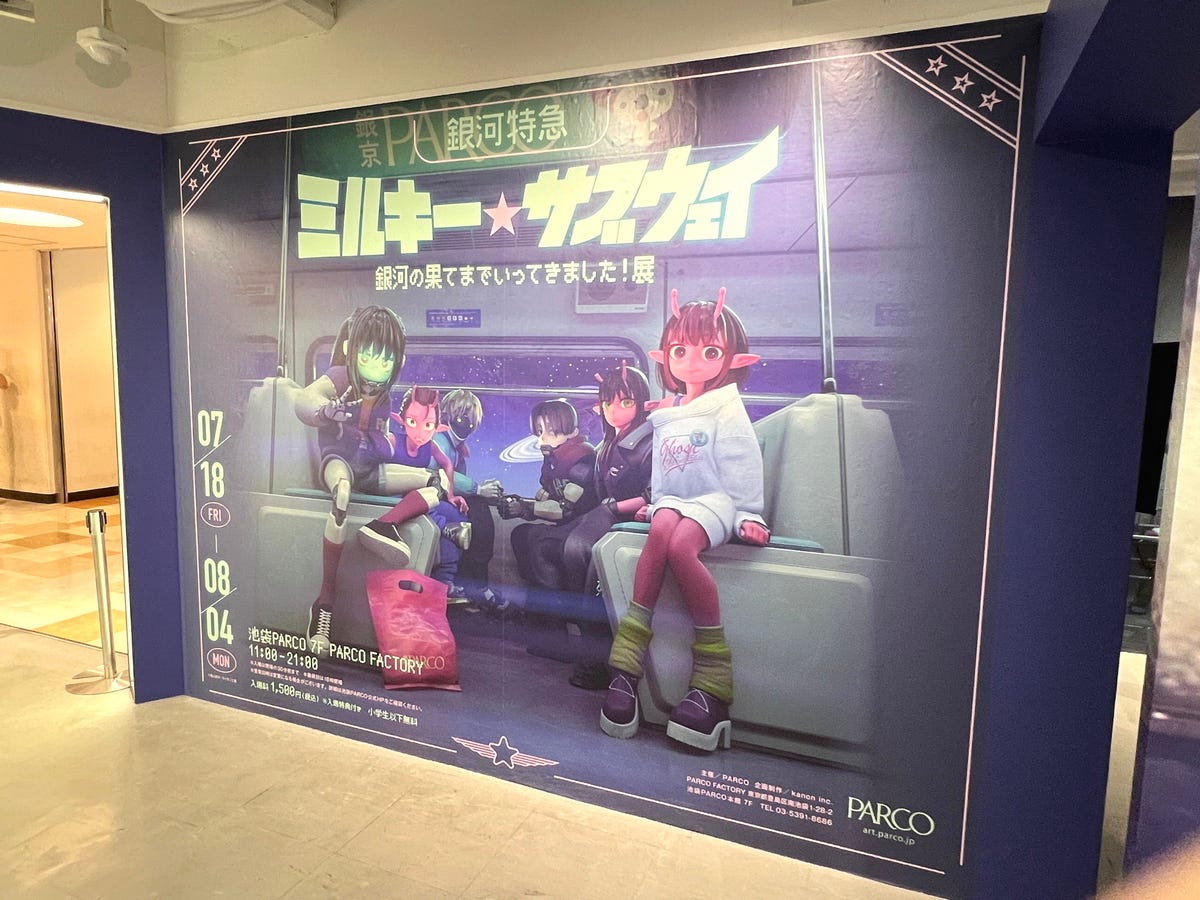
Shin-Ei Animation is taking cues from anime audiences on YouTube in an effort to step up investment in anime projects as anime studios move to develop their own IPs to ensure they also receive financial benefits from anime’s growing global market.
Why it matters: Shin-Ei Animation is best known for its work on the legacy properties Doraemon and Crayon Shin-chan, but merchandising rights for the two franchises are managed by other investors, leaving just a fraction of licensing royalties for the studio.
What’s happening: Interest in Atashin’chi, an anime series based on a comedy manga to which the studio owns merchandising rights, is growing as its YouTube channel has grown to more than 1.7 million subscribers.
Shin-Ei Animation plans to increase product development for Atashin’chi and other properties, with an additional focus on overseas markets, chief executive officer Michihiko Umezawa told the Keizaikai business magazine.
The intrigue: Shin-Ei Animation is creating merchandise for Pui Pui Molcar and Milky Subway: The Galactic Limited Express, two projects by independent animators in which the studio has invested as production committee lead, and selling them online.
Pui Pui Molcar was created by stop-motion animator Tomoki Misato, whose undergraduate and graduate works have been featured and won awards at film festivals.
Milky Subway: The Galactic Limited Express originated as the university graduation project of CG animator Yohei Kameyama, which accumulated 6.8 million views on YouTube by the time of Milky Subway’s release last year.
A subsequent film compilation of Milky Subway released earlier this year has now earned more than ¥550 million (US$3.4 million) in the domestic box office.
The bottom line: “The number of productions across the entire market has increased significantly. Currently, there are more television broadcast slots, but with video streaming platforms such as YouTube, it feels like this has accelerated even further in the last two or three years,” Umezawa said.
Clippings: Manga inventory planning using RFID grows

Anime retailer Animate plans to implement an inventory tracking system for manga and books using radio-frequency identification (RFID) tags across all stores by 2029 in an effort to boost in-store sales. (The Bunka News)
Zoom in: A field experiment conducted by book distributor Nippan at a Tokyo bookstore last year—in coordination with RFID technology firm PubteX—found that RFID tag use resulted in improved in-store manga sales, buoying hopes that digital transformation can help reverse Japan’s declining print manga sales.
PubteX, formed in 2022 by paper conglomerate Marubeni and three of Japan’s largest manga publishers, has been urging manga publishers to adopt its RFID standard, and now about 75 percent of all manga volumes sent to bookstores are affixed with RFID tags.
Publishing giant Shueisha has acquired a public relations subsidiary from Arch, an anime production planning and promotion company co-founded by anime producer Nao Hirasawa, to help promote its manga titles on social media. (Branc)
Naruto: Shippuden received the most amount of overseas music royalty payments of any Japanese entertainment property last year, the eighth time it has done so, according to data from the musical copyright collection society JASRAC. (Nippon.com)
The Pokémon Company recorded its highest ever revenue (up 29 percent year-over-year), operating profit (up 43 percent), and net profit (up 71 percent) in the fiscal year ending in February as trading card, video game, and licensing sales surge. (Gamebiz)
South Korea’s webtoon platforms are pivoting into short-form animation to stave off declines in active users, but questions remain on whether the new content format will convert users into paying subscribers. (DigitalToday)
Anti-piracy group hardens stance on AI model training
“Regarding AI training […] we believe that, in many current service operations, the acts of reproduction carried out during the training process themselves may constitute copyright infringement.”
— Content Overseas Distribution Association
Context: Anti-piracy trade group CODA, in a rebuke of generative AI services, argues that current applications of AI-based image and video generation involving Japanese entertainment content constitute “use for enjoyment purposes”, a violation of current Japanese copyright law, which only permits training not for personal enjoyment uses.
What they’re saying: “AI businesses have a responsibility to establish mechanisms to prevent problems before they occur, including by implementing filters at the output stage for copyrighted works for which prior authorization has not been obtained,” the group asserts.
Changes to Japan’s copyright law, enacted in 2019, allowed ingestion and analysis of copyrighted materials for AI learning without needing to acquire consent from copyright holders, with limits.
CODA, whose members include Japanese entertainment rightsholders, however, believes this provision creates a loophole in which overseas generative AI services create outputs that replicate the visuals of Japanese entertainment properties.
Reality check: CODA doesn’t have regulatory powers as a private entity, but it takes action against copyright infringement cases with government support.
Magazine that popularized essay manga ends print run

Da Vinci, the literary magazine that popularized the essay manga genre in Japan in the 2000s, will end its print run this October after 32 years of publication, publishing giant Kadokawa said last week.
Why it matters: In additional to featuring general fiction, Da Vinci actively introduced manga and light novels to the general public, serializing works like the novelization of Makoto Shinkai’s breakout anime film 5 Centimeters Per Second.
Catch up quick: Da Vinci began publication in 1994 and came into the portfolio of Kadokawa in 2011 when the publishing conglomerate acquired its original publisher, Media Factory.
Da Vinci became known for essay manga in the 2000s when Saori Oguri’s My Darling Is a Foreigner, which was serialized in the magazine, became a domestic bestseller.
The magazine, with its monthly circulation of 100,000 copies and 70 percent female readership, wields significant influence as it has a much wider reach than other literary magazines.
The bigger picture: Kadokawa’s move to end Da Vinci’s print run comes amid worse-than-expected financial performance in the fiscal year ending in March 2026, with the publishing segment seeing a 51.6 percent drop in operating profit year-over-year.
Kadokawa will continue to operate the Da Vinci Web portal, which sees a monthly average of 45 million pageviews.
Animenomics is an independently run and reader-supported publication. If you enjoyed this newsletter, consider sharing it with others.