This is a feature story from Animenomics, covering the business of anime and manga.


Sports teams, events, and brands are increasingly tapping into anime’s global surge in order to find new audiences and customers, and Adidas has become the latest athletic brand to market new products by tapping into anime-style imagery.
Why it matters: Anime media has outsized influence on social media, and for legacy brands in the sporting industry, using anime visuals can help grow engagement from younger audiences on social media platforms.
Where things stand: Sports has long been a popular genre in anime and manga, and professional athletes have also become outspoken about their love for the Japanese works.
Research commissioned by anime streaming service Crunchyroll and published last year found that anime’s fan following exceeds that of many sports leagues, especially in younger generations.
Viewership data published by Netflix also show that sports anime in their catalog, like Haikyu!! and Captain Tsubasa, have audiences that rival live-action sports programming.
Zoom in: Adidas tapped Hong Kong actor-turned-fashion-entrepreneur Edison Chen to help launch the Mundial apparel and footwear collection this weekend with anime-style imagery featuring Brazilian footballer Raphinha and Colombia’s Luis Díaz.
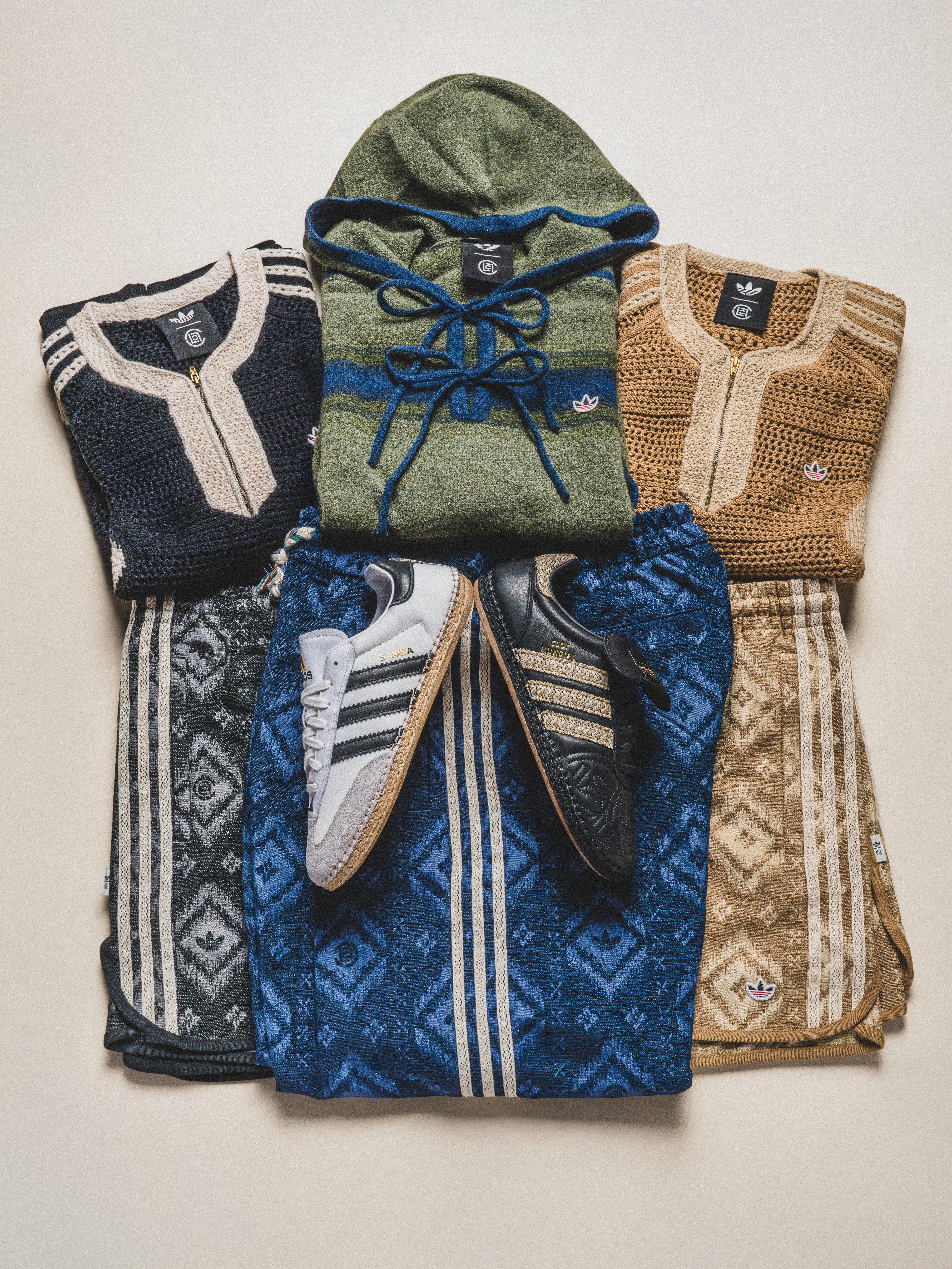
Adidas and Chen have been releasing new apparel and footwear designed by his fashion brand Clot over the last two years, including a Chinese New Year-themed collection earlier this year that also used anime-style assets.
“Anime has been something I’ve been drawn to since I was a kid,” Chen told Animenomics. “In anime, you can portray elaborate scenes and ideas that don’t exist in real life.”
How it happened: Animation for the Mundial campaign was directed by California- based digital artist Annie Choi, who caught Chen’s attention after she created short-form animation using anime aesthetics for several luxury fashion houses.
Choi, who uploads her anime-style works to Instagram and draws more than 600,000 followers, has been recognized by fashion industry media outlet The Business of Fashion for “her ability to fuse high-end branding with dreamlike narratives”.
“She’s very innovative in the way she uses her animation style, quick transitions, transformation moments,” Chen said of Choi. “Being able to have her translate my ideas, and incorporate the football players into that world, was really fun.”
The bigger picture: For Adidas and other legacy brands, independently made anime-style videos have become a viable alternative over licensing anime properties directly from Japanese rightsholders.
Anime is increasingly being defined by consumers outside Japan to encompass more than animated content made in Japan, according to a consumer survey by advertising giant Dentsu that was published last year.
When anime viewers in ten countries were asked how they define ‘anime’, about 36 percent of said that they would include Japanese-inspired animated content produced outside Japan in the definition, compared to 37 percent who said that it only includes animated works made in Japan.
Go deeper: Read our interview with Clot founder and creative director Edison Chen.
You’ve collaborated with Adidas for a few years through traditional campaigns, but this year is the first time that you’re highlighting anime as part of your narrative. Why has your approach changed?
Anime has been something I’ve been drawn to since I was a kid. I’ve always been interested in ways of communicating that feel beyond this world. In anime, you can portray elaborate scenes and ideas that don’t exist in real life. Lately, I’ve been on more of a spiritual journey, thinking about what exists beyond the physical realm. Working with anime allowed me to extend that thinking creatively.
Collaborating with Annie Choi felt natural. I’ve followed her work for years, and this project finally felt like the right moment to come together. Every time I work with Adidas, we try not to make it about only my vision. It’s about the product, the story, and the community around it. Even bringing in players like Raphinha and Luis Díaz through animation felt like a dream. It might not be “real” in a traditional sense, but it feels real to me.