


This is a feature story from Animenomics, covering the business of anime and manga. Today’s story is written by Jakarta-based correspondent Yohana Belinda.
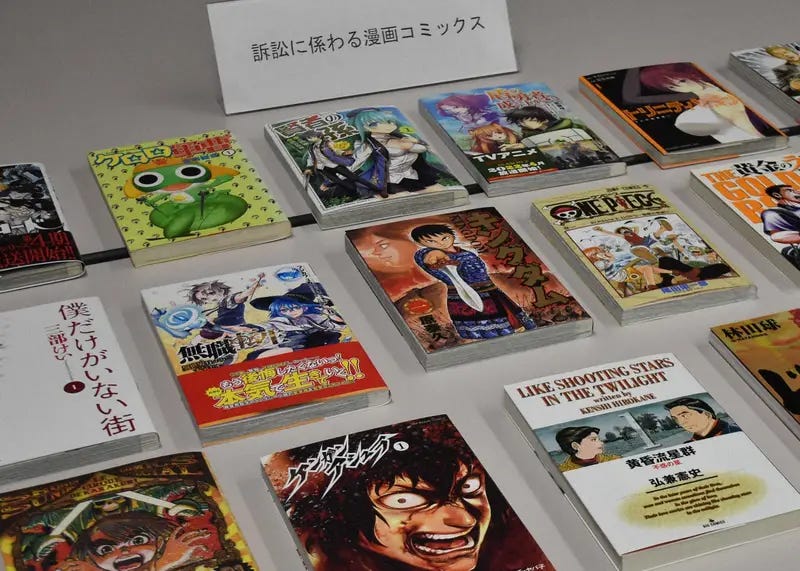
When Bato.to, the world’s largest manga piracy site, finally went dark, the reaction from fans was telling. On Facebook, the comments told a familiar story. “Can anyone pm me for the new bato website name?” one user begged. Another pleaded, “Omg can someone tell me the new name? I discovered it a year ago and there are still so many manga I want to read, please?” The desperation in those requests exposed an uncomfortable truth.
One click is where all it takes. Fueled by faster translations and instant access, illicit manga platforms have become the default choice for fans unwilling to play by the industry’s slow rules.
The damage has already been done. In 2025, online content piracy cost Japan’s entertainment industry a staggering ¥5.7 trillion (US$36 billion) in lost revenue, according to the Ministry of Economy, Trade, and Industry. The figure, based on a survey across six major markets—Vietnam, France, Brazil, Japan, the United States, and China—confirms what creators have long feared. The black market is bleeding the industry dry.
Shoichiro Mizutani, founder of digital manga platform DouDouJin, argues that piracy is less a question of price and more a crisis of access. The problem, he suggests, runs deeper than cost, with availability emerging as the defining barrier across multiple markets.
“Official translations are delayed. Key titles are unavailable in entire regions. Payment methods exclude students and young readers. The single chapter sales model clashes with local habits,” Mizutani told Animenomics. “Meanwhile, pirate sites are faster, and they offer community through lively comment sections where readers connect. The legal market simply cannot compete.”
He added that manga piracy users actually represent a massive demographic in some markets, highlighting an opportunity where a well-executed subscription service could successfully convert and retain those elusive fans.
“The one exception is MANGA Plus [by Shueisha], whose subscription style model delivers a level of satisfaction far better aligned with what overseas users actually want,” he noted.
